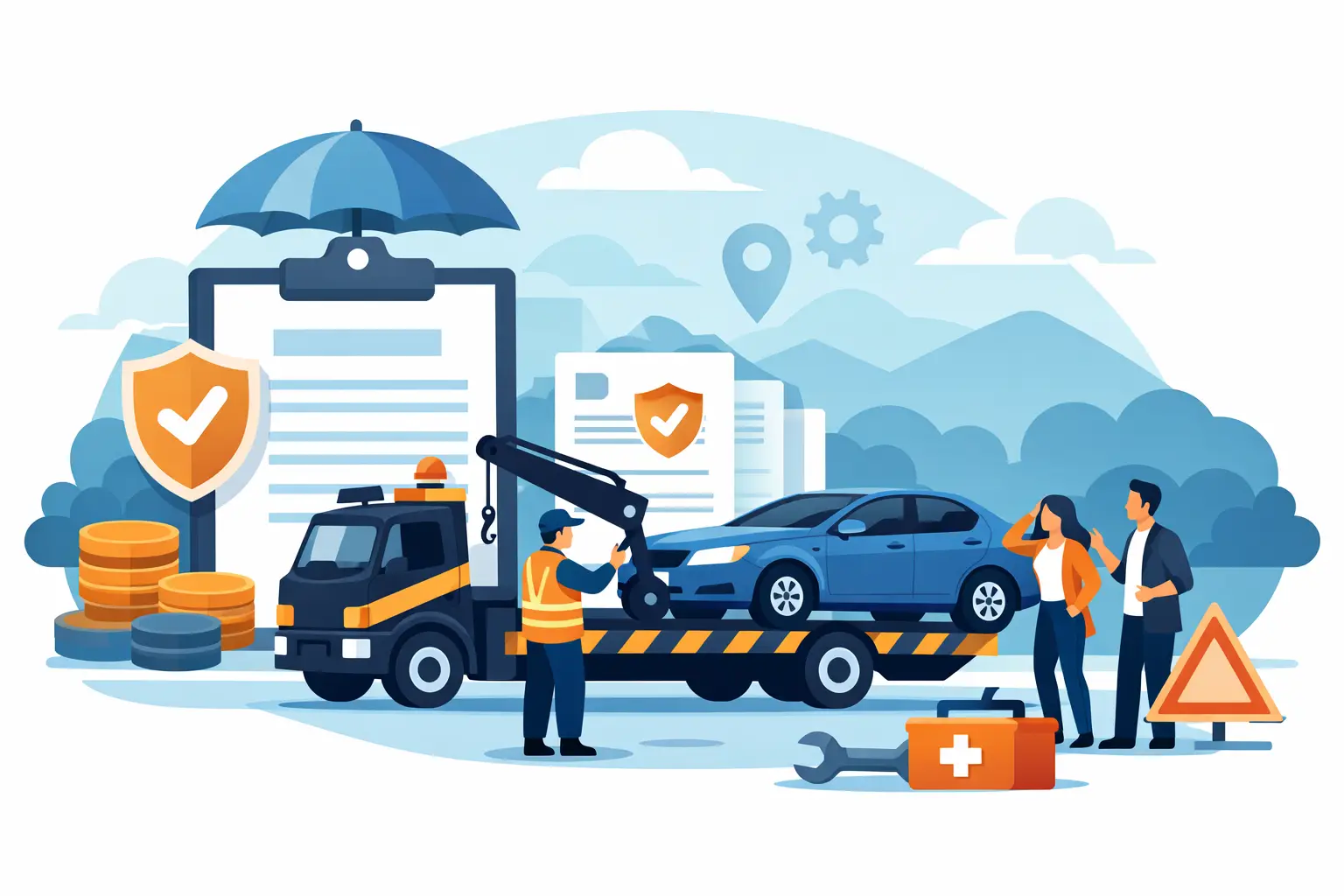
A roadside call can turn from routine to expensive in minutes. Your driver may be loading a disabled vehicle on a busy shoulder, winching a car from a ditch, changing a tire in traffic, or transporting a customer’s vehicle to a repair shop. Tow truck roadside assistance insurance is built around those real exposures – not the risks of a standard delivery truck.
For tow companies, the question is rarely whether insurance is required. The real question is whether the policy matches the work your trucks actually perform. A gap can mean a denied claim, a lost contract, an out-of-service unit, or a customer dispute that costs far more than the premium you hoped to save.
What Tow Truck Roadside Assistance Insurance Covers
Tow truck insurance is not one single coverage. It is a commercial insurance program that combines several protections based on your equipment, services, operating radius, drivers, and the vehicles you handle. A company that only provides lockouts and tire changes has a different risk profile than a heavy-duty recovery operator working highway calls around the clock.
Primary auto liability is the foundation. It responds when your tow truck causes bodily injury or property damage in an accident. If a driver clips a passenger vehicle while merging after a roadside call, or damages another vehicle while backing into a tight lot, liability coverage may respond up to the policy limit. State filings, contract requirements, and the type of work you perform can all affect the limits you need.
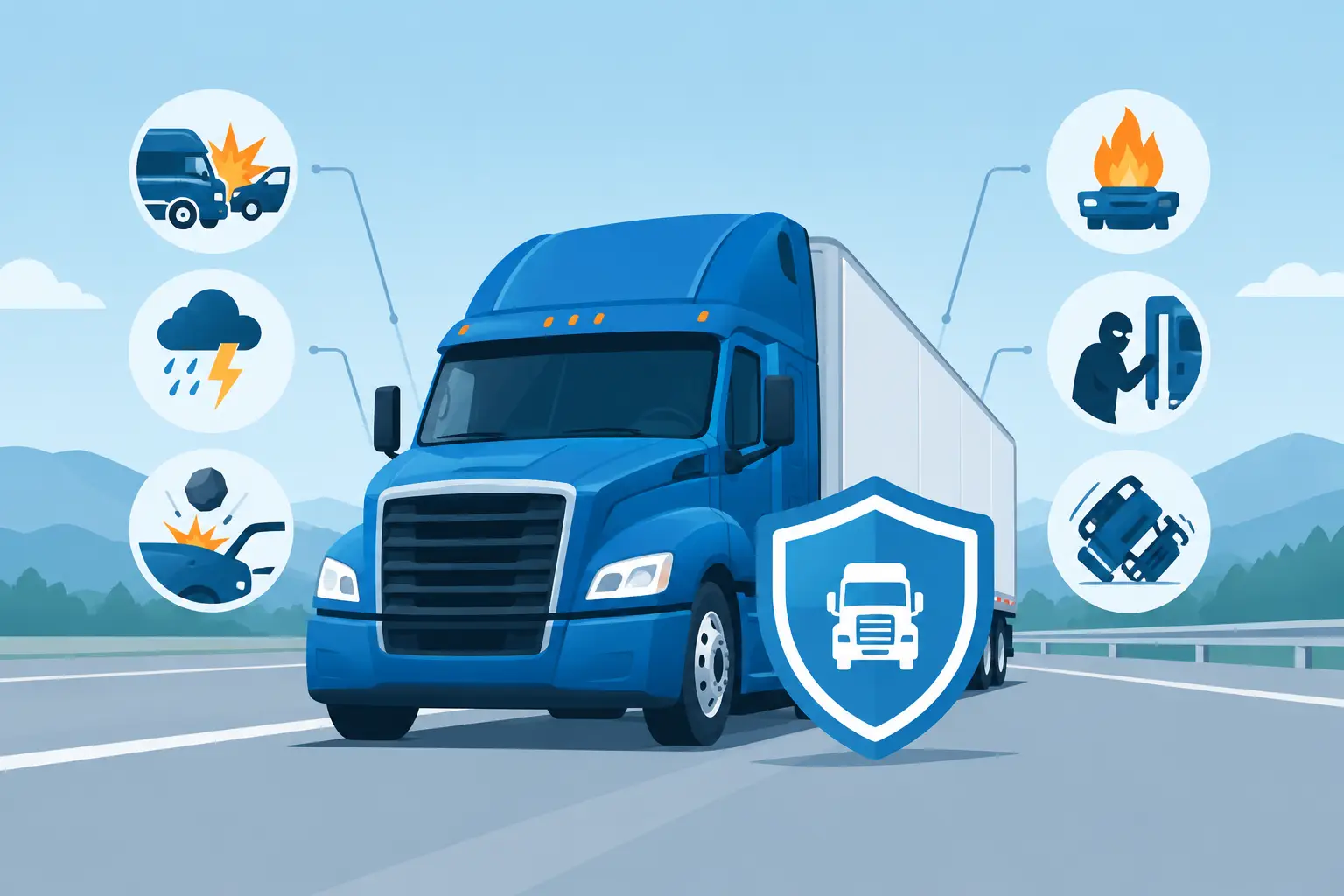
Physical damage protects your own tow truck, subject to deductibles and policy terms. A wrecker, rollback, wheel-lift, or heavy-duty rotator is a major investment. Collision can help after an accident, while comprehensive coverage may address losses such as theft, vandalism, hail, fire, or certain weather events. Financed equipment often comes with lender requirements, so the policy needs to list the correct loss payee and equipment details.
On-hook coverage is one of the most important protections for towing operations. It is designed for damage to a customer’s vehicle while it is in your care, custody, or control during towing or transport. Picture a vehicle coming loose during a tow, suffering damage from loading, or being involved in an accident while attached to your truck. A standard auto liability policy may not cover that customer vehicle the way an on-hook policy can.
Garagekeepers coverage can matter if you store customer vehicles in a yard, lot, or secured facility. It addresses certain damage to vehicles left in your care, such as a fire in your storage area, theft from the lot, or damage caused while moving a stored vehicle. The exact form and limits matter. A small impound lot and a large storage operation should not be insured the same way.
General liability handles many non-driving business exposures. A customer could slip near your office, a technician could damage property during a roadside service call, or a business client could allege injury caused by your operations. It does not replace auto liability or on-hook coverage, but it is a key part of a complete commercial program.
Depending on your work, your policy may also need uninsured or underinsured motorist coverage, medical payments, workers’ compensation, umbrella liability, cyber coverage for dispatch and payment systems, or commercial property coverage for tools, signage, office contents, and facilities.
The Coverage Gaps That Catch Tow Operators
Insurance problems often begin with a policy that was written for a different kind of business. A general trucking policy may not automatically account for roadside assistance, recovery work, vehicle storage, or the value of the vehicles you tow. The declarations page may look fine until a claim exposes an exclusion, inadequate limit, or missing endorsement.
The first gap is misclassifying your operation. Tell your agent exactly what you do: consensual towing, police rotation, private-property impounds, repossessions, accident recovery, jump starts, fuel delivery, lockouts, tire changes, heavy-duty towing, or transport of specialty vehicles. Each service can change the underwriting picture.
The second is choosing an on-hook limit that is too low. Towing older sedans may call for a different limit than transporting luxury SUVs, EVs, commercial vans, or high-value collector vehicles. If your truck carries two vehicles, consider the total value that could be exposed during a single trip. The lowest available limit is not always the right one.
The third is overlooking stored vehicles. An impound lot can create a concentration of loss. One severe hailstorm, fire, break-in, or vandalism event may involve multiple customer vehicles at once. Your garagekeepers limit should reflect the maximum number and value of vehicles you reasonably have in your care, not just the average day.
The fourth is failing to update drivers and equipment. Adding a new operator, buying another rollback, replacing a unit, or expanding into heavy-duty recovery changes your operation. Waiting until renewal to report those changes can create headaches when you need a certificate, a lender endorsement, or a claim response. Fast updates protect your ability to keep taking calls.
Finally, do not confuse roadside service with towing. A jump start or tire change can still create liability if a technician damages a vehicle, causes an injury, or works in an unsafe location. Your coverage should reflect every revenue-producing service your dispatch line offers.
How Limits and Pricing Are Determined
Tow truck insurance pricing is not based on one number. Insurers look at the kind of trucks you run, their value, your service territory, claims history, driver records, years in business, annual revenue, storage exposure, and the type of calls you accept. A company handling accident recoveries on interstates has different exposure than a local operator focused on dealership transport.
New ventures can face higher premiums because there is less operating history for an insurer to review. That does not mean a new tow company should settle for a policy that leaves out the work it plans to perform. It means the application needs to be accurate, complete, and presented to markets that understand towing.
Higher limits and lower deductibles usually cost more, but cheaper coverage is not automatically better coverage. Consider what a serious loss would do to your business. Can you absorb a large physical-damage deductible while replacing a truck? Can you handle a customer claim involving an expensive vehicle? Can your operation survive a lawsuit that reaches beyond a basic liability limit? The answers should guide the program.
Loss control also affects pricing and long-term insurability. Driver screening, backing procedures, photo documentation before loading, secure storage practices, dash cameras, maintenance records, and clear dispatch notes all help show that your company takes risk seriously. These habits can also make a disputed claim easier to defend.
What to Bring to Your Insurance Quote
A clean submission can speed up your quote and reduce back-and-forth. Have your business details, driver information, loss runs if available, vehicle identification numbers, stated values, lender details, service descriptions, operating radius, and estimated payroll or revenue ready. If you store vehicles, be prepared to explain lot security, maximum vehicle count, and the highest value of vehicles you expect to hold.
Be direct about prior claims, tickets, canceled policies, and planned expansion. Hiding a problem does not make it disappear. It usually surfaces later, when it can delay a binding decision or lead to a policy correction. A trucker-first insurance agency should help you present the full picture clearly and shop carriers that fit your operation rather than force your operation into a generic box.
You should also ask how quickly certificates of insurance can be issued. Tow contracts, municipal requirements, motor clubs, repair shops, property managers, and lenders may request proof of coverage with specific wording. When dispatch is waiting on a contract, slow certificate service can cost you work.
Review Your Policy Before a Problem Forces the Issue
Read the policy with your actual day-to-day work in mind. Confirm every unit is listed correctly, every active driver is reported, and your descriptions include towing, roadside assistance, storage, recovery, and any specialty service you provide. Check liability, physical damage, on-hook, garagekeepers, and deductible amounts against the jobs you take today – not the smaller operation you had two years ago.
At MC Truck Insurance, we understand that a tow truck sitting idle is not just equipment waiting for repair. It is missed calls, missed revenue, and customers calling the next company. The right policy helps you stay prepared without paying for coverage that does not fit.
Before your next renewal or equipment purchase, take a hard look at the vehicles in your care, the roads your drivers work, and the contracts you want to win. A candid coverage review now can keep one difficult roadside call from becoming a business-changing loss.