A power-only load can look simple on a load board: hook to a customer-owned trailer, pull it to delivery, drop it, and move to the next run. But the trailer arrangement changes the questions an insurer will ask. Power only trucking insurance has to protect the truck, the public, and often the freight, while clearly addressing equipment you do not own.
That distinction matters when a broker requests a certificate before tendering a load, when a trailer is damaged at a shipper, or when a roadside accident puts your authority under a microscope. The right policy is not just about meeting a minimum limit. It should match the way you actually operate – your lanes, loads, trailer interchange exposure, drivers, and contracts.
What power-only operators need insured
Power-only hauling means your tractor supplies the power while another party owns or leases the trailer. You might pull a loaded dry van for a manufacturer, a chassis for a port move, a trailer for a rental program, or an Amazon-related load under a contracted arrangement. Some operators run power only full time; others use it to fill gaps between their own-trailer freight.
The tractor is still your commercial vehicle, so primary auto liability remains the foundation. It pays for bodily injury or property damage to others when your truck is at fault in a covered accident. Federal filings and broker contracts often drive the required limits, but the needed limit can be higher depending on the freight, shipper, or lane.
Motor truck cargo coverage is usually the next major question. A power-only operator may not own the trailer, but that does not automatically mean they have no responsibility for the cargo inside it. Your carrier agreement can make you liable for freight loss or damage while the trailer is in your care, custody, or control. A cargo policy should be reviewed against the commodities you haul, the limits required by your customers, deductibles, theft protections, and exclusions.
Then there is the trailer itself. Trailer interchange coverage is often the key coverage for power-only work. It can cover physical damage to a non-owned trailer that you have under a written trailer interchange agreement. Do not assume your primary liability policy will pay for damage to that trailer. Liability generally addresses damage to someone else caused by your truck, not physical damage to equipment you have accepted under contract.
The exact need depends on the agreement. Some power-only programs provide trailer coverage or shift responsibility in a specific way. Others require the motor carrier to carry trailer interchange at a stated limit. Read the agreement before accepting the load, not after a tight turn, tire failure, rollover, or yard incident.
Power only trucking insurance is not one policy
“Power only” describes the operation, not a single insurance product. Most operators need a package of coverages built around their actual risk. A quote that looks cheaper may be missing a coverage a customer requires, may carry an unworkable deductible, or may exclude the type of cargo you regularly pull.
Primary auto liability protects against third-party injury and property damage from truck accidents. It is the coverage most closely tied to your operating authority and public safety requirements.
Motor truck cargo protects the freight you are legally responsible for hauling, subject to the policy terms. Commodity restrictions matter here. General dry freight, refrigerated products, high-value electronics, alcohol, household goods, and pharmaceuticals can all be handled differently by insurers.
Trailer interchange protects a trailer you do not own while it is in your possession under a qualifying written agreement. The limit should reflect the highest trailer value you may pull, not the value of the cheapest trailer you expect to see.
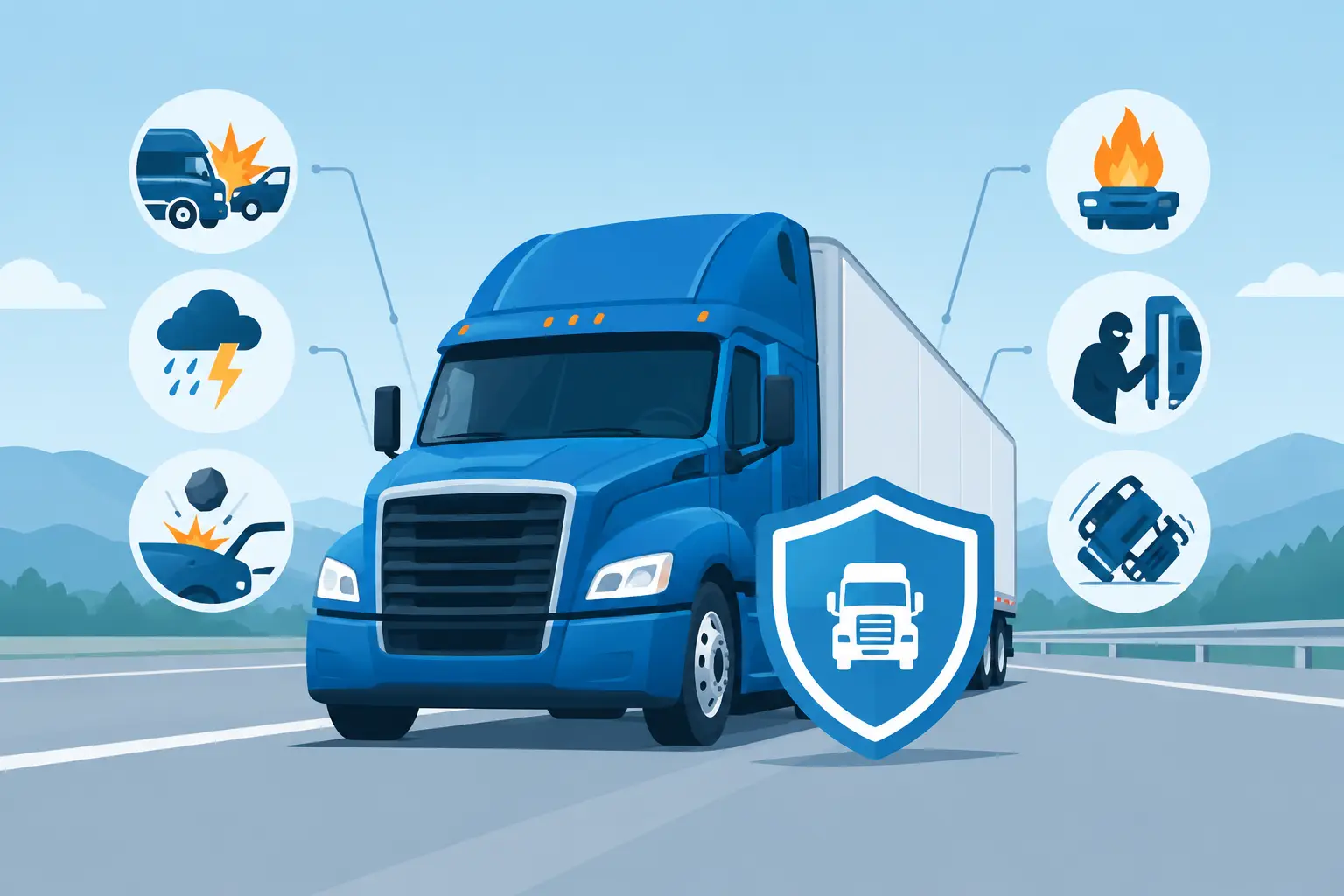
Physical damage protects your own tractor against covered collision, comprehensive, theft, fire, vandalism, and other selected losses. If the truck is financed, the lender will commonly require it. Consider the deductible carefully. A higher deductible can lower premium, but it also becomes a real cash expense when a claim happens.
General liability, non-trucking liability, and workers’ compensation may also apply depending on your business structure and contracts. General liability can address premises and business-related claims that are not truck accidents. Non-trucking liability is generally intended for personal use of the truck when it is not dispatched, not as a replacement for primary liability while under load. Workers’ compensation requirements depend on your state, employees, and contractual obligations.
The details that change your quote
Insurance carriers price power-only operations based on more than a DOT number and truck value. They want to understand the work behind the application because that work determines the chance and cost of a claim.
Your operating radius matters. A carrier running local drop-and-hook routes around Salt Lake City has a different exposure than a tractor traveling coast to coast through mountain weather, dense metro traffic, and overnight parking areas. States of operation, expected annual miles, garaging location, and cross-border work all affect underwriting.
Your cargo and customers matter too. Hauling sealed trailers of general merchandise is not the same as pulling temperature-sensitive food, high-value retail freight, or trailers with strict chain-of-custody requirements. Be direct about what you haul. Trying to fit specialized freight into a vague “general freight” description can create trouble when a claim is reviewed.
Insurers will also review driver history, years of commercial experience, CDL status, prior claims, inspections, violations, and the age and value of the tractor. New authorities can face higher pricing and fewer carrier options because there is less operating history to evaluate. That does not mean a new authority should accept the first quote without questions. It means the application needs to be accurate, complete, and presented to markets that understand new ventures.
For fleets, keep driver and equipment updates current. Adding a driver who was not disclosed, running a replacement tractor before it is scheduled, or taking a load outside your listed operation can leave you scrambling for a certificate or clarification at the worst possible time.
Certificates and contracts can stop a load
A certificate of insurance, or COI, is often the document standing between you and a booked power-only load. Brokers, shippers, trailer providers, and dispatch programs may request proof of primary liability, cargo, trailer interchange, general liability, or additional insured wording.
A COI is evidence of coverage, but it does not rewrite your policy. If a contract requires trailer interchange and your policy does not have it, a clean-looking certificate will not fix the gap. The same goes for cargo limits, special endorsements, or exclusions.
Before signing a power-only agreement, compare its insurance requirements with your actual policy. Look for required limits, deductible limits, trailer value requirements, hold-harmless language, additional insured requests, and responsibility for detention, storage, theft, or damage. If the contract is unclear, ask before you hook up. A quick review can prevent an expensive misunderstanding.
Fast certificate service matters because trucking does not wait. But accuracy matters just as much. A certificate issued quickly with the wrong truck, wrong entity name, or missing coverage can still cost you the load.
Common gaps power-only carriers miss
The most common mistake is assuming cargo coverage automatically protects the trailer. Cargo and trailer interchange address different property. Another is buying trailer interchange at a low limit based on an old agreement, then pulling newer, higher-value equipment.
Some operators also overlook unattended trailer risks. A trailer left at a truck stop, drop yard, or customer location may be exposed to theft, vandalism, collision, or cargo loss. Policy conditions involving keys, secure parking, reporting, and theft controls can matter. The practical question is simple: where do you park, who has access, and what would happen if the trailer or load disappeared overnight?
Finally, do not confuse a dispatcher, broker, or customer’s insurance with your own protection. Their policy may protect their interests. Your authority needs coverage designed for your operations and contractual responsibility.
How to build a policy that fits the work
Start with a clear picture of your operation: the customers you pull for, trailer types, maximum trailer values, cargo categories, states traveled, annual mileage, parking locations, and every driver who may operate the truck. Bring any power-only contract or insurance requirement sheet into the conversation.
Then compare more than the premium. Review liability and cargo limits, trailer interchange limits, deductibles, cargo exclusions, payment terms, insurer financial strength, and how quickly the agency can handle certificates, driver changes, and equipment swaps. The lowest number is only a win if the policy still works when a customer requests proof or a claim occurs.
At MC Truck Insurance, we work for you – not the carriers. That means asking the operational questions first, shopping appropriate markets, and helping you understand what you are buying in plain language.
Power-only work can be a strong lane for an owner-operator or fleet, especially when you have reliable customers and keep the tractor moving. Protect that opportunity with coverage that recognizes the trailer may not be yours, but the responsibility can still land on your authority.