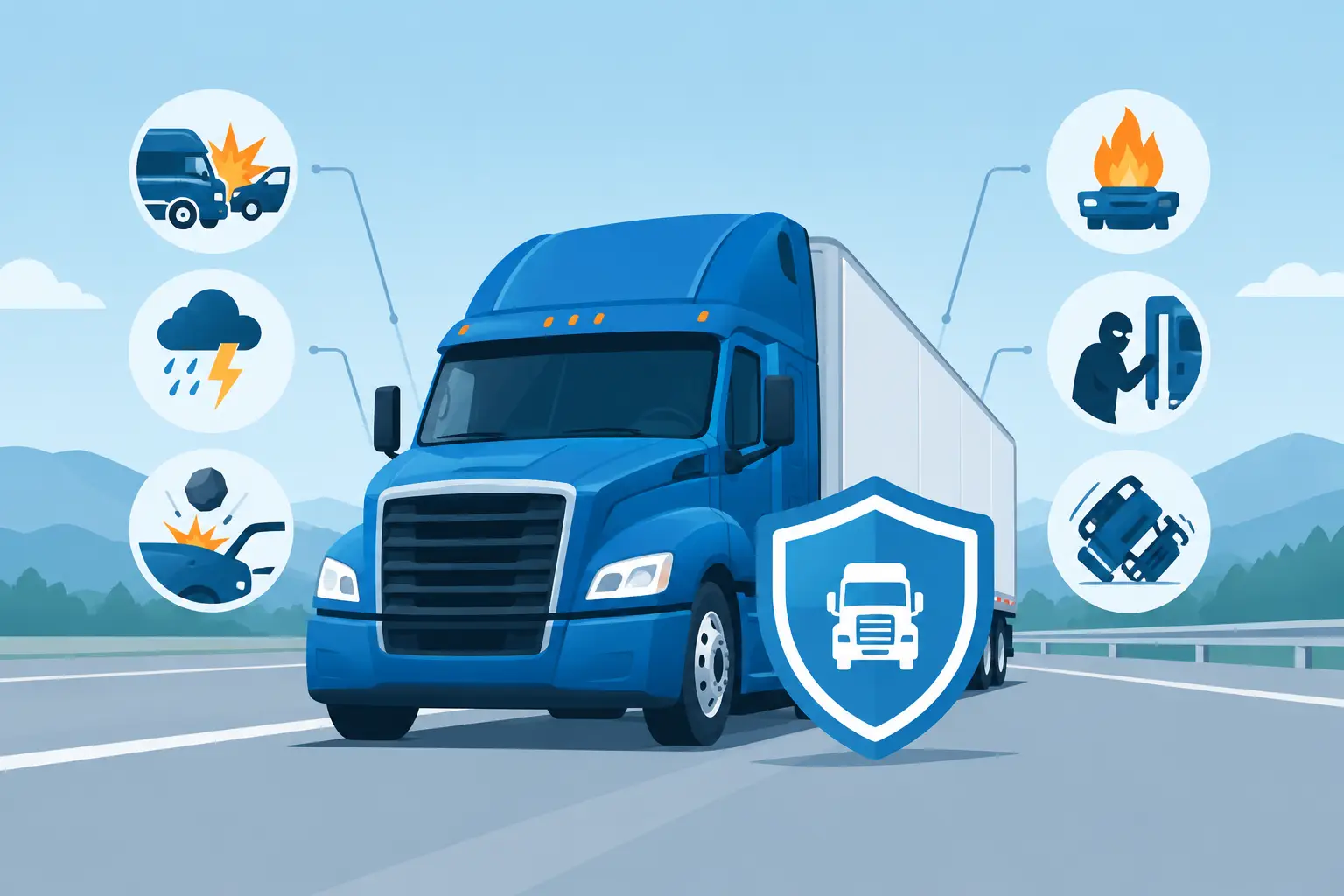

Your first load can be ready, your truck can be lettered, and your dispatch plan can be set – but you still cannot legally run until your new authority coverage and required filings are in place. For a new carrier, insurance is not just another startup expense. It is what allows your authority to become active, gives brokers confidence to tender freight, and protects the business you are building when something goes wrong.
The hard part is that there is no single policy called “new authority insurance.” Your coverage needs depend on what you haul, where you run, what equipment you use, and the limits your customers require. The right setup gets you moving without buying coverage that does not fit your operation. The wrong setup can leave you paying for a policy that still does not qualify you for a load.
What new authority coverage needs to accomplish
A new MC authority typically needs to satisfy three different groups: the FMCSA, the people giving you freight, and your own business. Those requirements overlap, but they are not identical.
The FMCSA requires certain for-hire carriers to carry public liability coverage and have the proper insurance filing submitted by an authorized insurer. Your operating authority will not become active simply because you bought a policy. The filing must be completed, and other startup requirements, including your BOC-3 process-agent filing, must also be handled.
Brokers and shippers may require limits above the federal minimum. A broker may ask for $1 million in primary auto liability and $100,000 in motor truck cargo coverage before adding you to its carrier network. Some freight, ports, warehouses, or specialty accounts call for higher limits, additional insured status, or specific language on a certificate of insurance.
Then there is the protection your business actually needs. A policy that checks a compliance box may not pay for damage to your truck, a rented trailer, or a load under your control. A trucker-first insurance plan looks at the whole operation, not just the number needed to activate an MC number.
The core policies most new carriers consider
Primary auto liability
Primary auto liability is the foundation for most new authorities. It responds when your truck causes bodily injury or property damage to someone else in a covered accident. Think about a right turn that catches a passenger vehicle, or a rear-end accident in congested traffic. This is the policy that addresses the third-party claim.
For interstate for-hire trucking, $750,000 is a common federal minimum for many types of non-hazardous freight. That does not mean it will be enough to get freight from every broker. In practice, many new carriers choose or are required to carry a $1 million combined single limit. If you haul hazardous materials, passenger loads, or certain regulated cargo, higher federal limits can apply.
Do not confuse liability limits with coverage for your own tractor. Primary liability protects others when you are at fault. It generally does not repair your truck after a collision, theft, fire, or vandalism.
Motor truck cargo coverage
Cargo coverage protects freight while it is in your care, custody, or control, subject to the policy terms, deductible, exclusions, and listed commodities. If a refrigerated load is ruined after a mechanical breakdown, or freight is damaged in a rollover, cargo coverage may be the difference between an expensive claim and a business-ending setback.
The limit should match the value of what you actually haul, not the value of an average easy load. A $100,000 cargo limit is common, but it may be too low for electronics, high-value retail freight, pharmaceuticals, or a full reefer load. It may also be more than you need if your contracts limit you to lower-value commodity freight. Read the exclusions closely. Some policies restrict unattended theft, temperature-controlled freight, certain commodities, or losses caused by improper loading.
Physical damage
Physical damage covers your own scheduled equipment for covered collision, comprehensive, fire, theft, and similar losses. If your tractor is financed or leased, the lender will usually require it. Even if it is paid off, ask a simple question: could the business replace this truck tomorrow without insurance proceeds?
Physical damage is priced from the truck’s stated value, your deductible, garaging location, use, and claims history. Insuring a truck for too little can create a painful gap after a major loss. Insuring it for more than its real value can raise your premium without creating extra value.
General liability, trailer interchange, and other gaps
General liability is often requested by warehouses, customers, and some broker programs. It can address third-party bodily injury or property damage claims that are not directly caused by operating the truck. For example, it may help if someone is injured at your office, terminal, or during a non-auto business activity. It is not a replacement for primary auto liability.
Trailer interchange coverage matters when you pull a trailer you do not own under a written trailer interchange agreement. A trailer damaged while in your possession can become your responsibility, and physical damage on your own tractor will not automatically cover it. If you are doing power-only work, this conversation should happen before you hook to a customer’s trailer.
Depending on the operation, you may also need bobtail or non-trucking liability, hired and non-owned auto, occupational accident coverage, umbrella liability, refrigerated breakdown protection, or specialized endorsements for towing, auto hauling, dump trucks, and hot-shot work. The right answer depends on your contracts and real dispatch activity, not a generic quote form.
Why new authority insurance costs more
New authority rates can be frustrating because you may be an experienced driver with a clean record and still receive higher quotes than an established carrier. Insurance carriers are pricing the business, not only the person behind the wheel. A company without its own operating history has no prior loss record as a motor carrier, no established safety trend, and no proof yet of stable operations.
Underwriters also look at the details that shape loss potential: driver MVRs, years of CDL experience, prior insurance history, equipment age and value, radius of operation, commodity, cargo limit, ZIP code where trucks are parked, and whether drivers are employees or owner-operators. A single serious violation, lapse in coverage, or inexperienced driver can change the available markets and price quickly.
The lowest down payment is not always the lowest cost. Some financing plans add substantial fees, and a cheap policy may carry exclusions that make it difficult to work with the brokers you want. Compare the annual premium, payment terms, deductible, cargo wording, and carrier financial strength before deciding.
Prepare your information before requesting quotes
Accurate information helps an agent shop your policy faster and prevents last-minute corrections. Have your DOT and MC numbers available if they have been issued, along with your business address, garaging address, vehicle identification numbers, truck values, driver license details, and three-year driver histories.
Be ready to explain your hauling plan in plain language. Tell the agent whether you will run dry van, reefer, flatbed, car hauler, dump truck, hot shot, or power-only. Share your expected states, radius, commodities, maximum cargo value, and whether you will pull customer-owned trailers. If you plan to haul Amazon-related freight, port loads, or brokered freight, say so early because those accounts can carry their own insurance requirements.
Honesty matters here. Calling yourself local when you expect to run coast to coast, or listing low-value general freight when you intend to haul high-value loads, may produce a quote that falls apart when the truth comes out. Worse, a material mismatch can create problems at claim time.
Keep coverage working after authority activation
Getting active is the starting line, not the finish line. Brokers will request COIs, and a missed certificate can hold up a pickup. Equipment changes need to be reported before a new truck rolls. Driver changes need review before a new driver takes a load. Cargo values can rise as your business grows, and a limit that worked in month one may become inadequate by month twelve.
This is where an agency that works trucking every day earns its place. MC Truck Insurance was built by truckers for truckers, so the conversation should be about lanes, freight, trailers, deadlines, and what could stop your wheels – not just policy jargon. A good insurance partner shops the market, explains the trade-offs, and stays available when a certificate or endorsement is needed fast.
Before accepting that first dispatch, make sure your authority is active, your filings are confirmed, your COI meets the customer’s requirements, and your coverage matches the load you are about to carry. Starting carefully gives your new authority room to build a safety record, a customer base, and a business that can stay on the road.