A truck turns right at a busy intersection, clips a passenger vehicle, and the other driver is injured. That is the kind of claim that makes primary auto liability versus general liability more than an insurance vocabulary question. One policy is built for the truck’s operation on the road. The other may respond to a completely different type of accident involving your business.
For a carrier, owner-operator, or new MC authority, mixing up these coverages can cause trouble fast. A broker may require a certificate before releasing a load. A shipper may ask for general liability. Federal and state operating requirements focus heavily on primary auto liability. If you buy one policy expecting it to do the work of the other, you could be left paying for a claim, legal defense, or lost contract opportunity yourself.
What Primary Auto Liability Covers
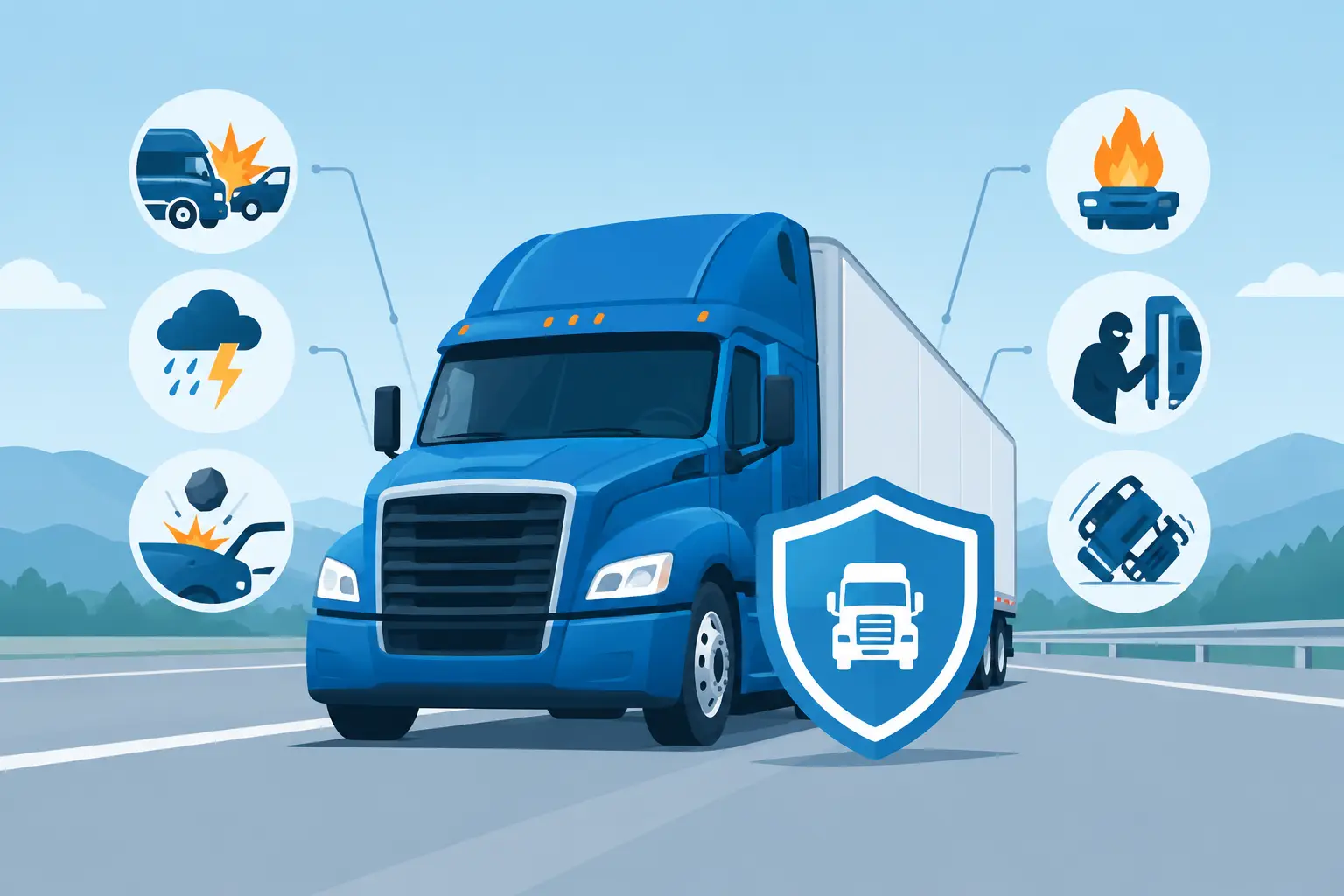
Primary auto liability covers bodily injury and property damage caused by a covered commercial vehicle while it is being used in your trucking operation. It is the foundation of a commercial trucking insurance program because it protects the public when your truck causes an accident.
Using the right-turn example, primary auto liability can respond to the injured driver’s medical bills, vehicle repairs, attorney fees, and a settlement or judgment if you are found legally responsible. It can also respond when a driver rear-ends another vehicle, sideswipes a car while changing lanes, or damages a building, guardrail, or parked equipment with the truck.
For most interstate for-hire carriers, this is not optional. Federal Motor Carrier Safety Administration requirements commonly call for at least $750,000 in liability coverage for non-hazardous freight, although many freight brokers and shippers require $1 million. Certain commodities, including hazardous materials, can require substantially higher limits.
The word primary matters. This policy is generally first in line for a covered truck accident. It is tied to your power unit, your scheduled or covered drivers, and the commercial use described on the policy. It is designed for the risks you face rolling down I-80, backing into a dock, pulling out of a truck stop, or making deliveries in tight city streets.
What It Does Not Usually Cover
Primary auto liability is not a catch-all policy for every problem connected to your company. It generally does not pay to repair your own tractor or trailer. That is where physical damage coverage may apply. It does not pay for damaged customer freight, which is why motor truck cargo coverage matters.
It also may not address an injury that occurs at your office, a customer slipping on a loose floor mat in your dispatch area, or property damage caused while loading equipment that is not connected to the truck’s use. Those situations may fall under general liability, depending on the facts and policy language.
What General Liability Covers for a Trucking Business
General liability protects against third-party bodily injury, property damage, and personal or advertising injury claims arising from your business activities outside the normal use of a covered auto. Think of it as business-premises and operations protection, not truck-accident coverage.
Say a customer visits your yard and trips over an unsecured air hose. Or one of your employees damages a client’s office while moving non-vehicle equipment inside. General liability may help cover the defense and damages if your business is legally liable. It can also include products and completed operations coverage in some situations, although the details vary by carrier and endorsement.
This coverage is often requested by warehouses, customers, landlords, ports, and shippers. A warehouse may require a certificate showing $1 million in general liability before allowing your company on site. That request does not mean general liability replaces your primary auto policy. It means the warehouse wants protection from non-auto claims connected to your business operations.
For a small carrier operating strictly from the truck with no office or yard, general liability may feel less urgent than primary auto liability. But it can still matter when contracts require it or when drivers interact with customer locations. For a fleet with a terminal, employees, a repair area, or regular dock activity, the exposure is usually more obvious.
The Difference Comes Down to How the Loss Happened
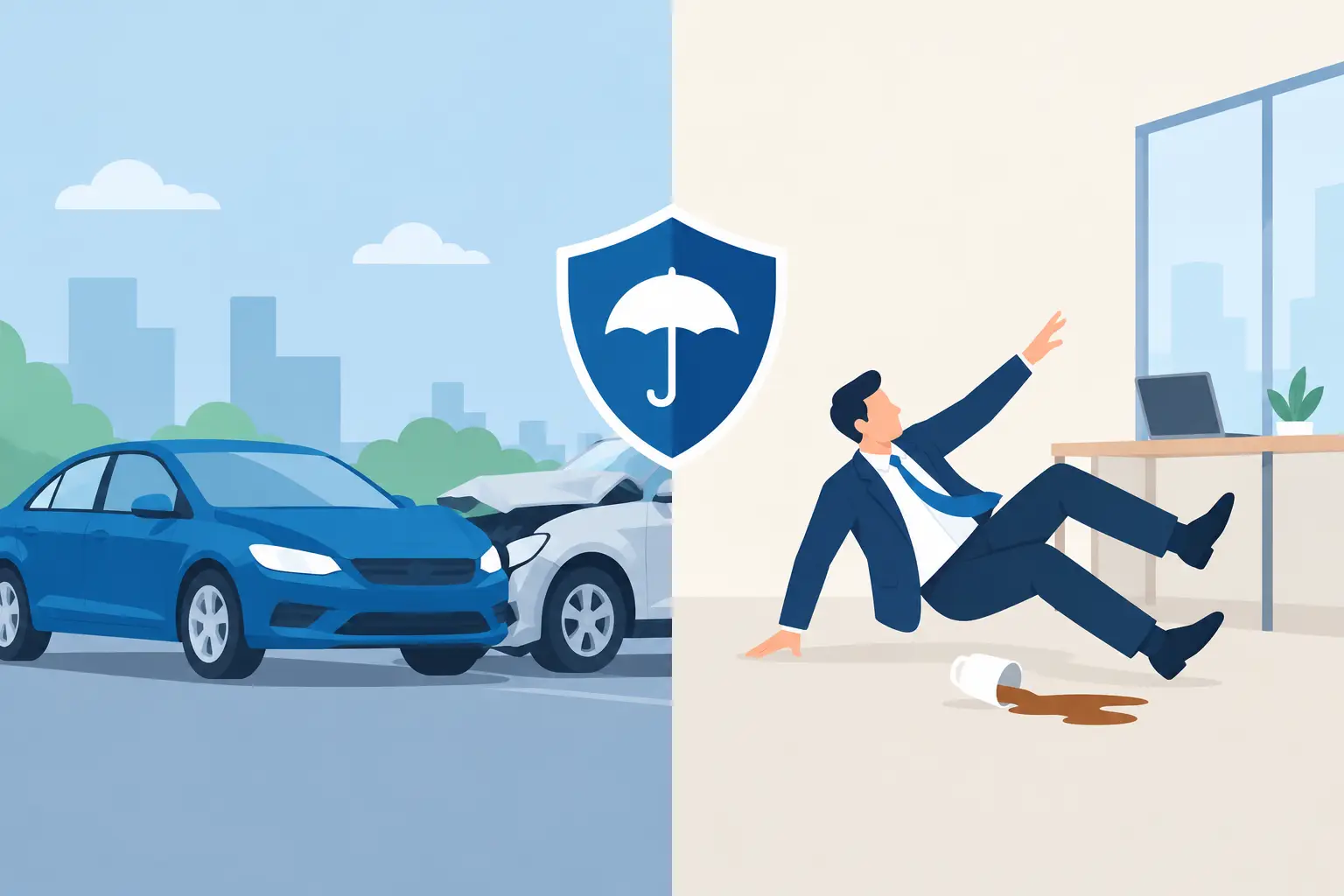
The easiest way to separate primary auto liability versus general liability is to ask one question: Did the claim arise from the ownership, maintenance, or use of a commercial vehicle?
If the answer is yes, primary auto liability is usually the policy to look at first. A driver hits a car, backs into a loading dock, or damages a gate while pulling through a facility. Those are vehicle-use claims.
If the answer is no, general liability may be the better fit. A visitor trips in your office, an employee knocks over expensive equipment while walking through a customer facility, or a business-related accident happens away from the vehicle. Those may be general liability claims.
There are gray areas. Loading and unloading claims can be complicated, especially when forklifts, trailers, employees, or customer equipment are involved. An accident during a tow operation can bring additional coverage questions. Policy exclusions, contract language, and the exact sequence of events all matter. Do not assume coverage based on the name of the policy alone.
Why Trucking Contracts Often Ask for Both
A broker or shipper asking for both coverages is managing different risks. Primary auto liability protects against the damage your truck could cause on the road or at the facility. General liability protects against certain non-driving business claims.
Certificates of insurance are where this becomes operational. If a load board, broker, warehouse, or customer needs a certificate showing specific limits, waiting until the truck is dispatched is the wrong time to find out a policy is missing. The delay can cost you a load, strain a customer relationship, or leave a driver sitting.
Before accepting a contract, review the insurance section closely. Look at the required limits, whether additional insured status is requested, whether a waiver of subrogation is required, and whether the request applies to auto liability, general liability, cargo, or all of them. Some requests are routine. Others need carrier approval or a policy endorsement, and not every carrier can provide every term.
A Real-World Coverage Example
Imagine a hot-shot operator delivering equipment to a job site. While turning into the site, the truck swings wide and damages the customer’s fence. Primary auto liability would likely be the relevant coverage because the damage happened through the use of the truck.
Later, the driver walks into the site office to get a signature, bumps a display stand, and breaks expensive electronics. That second incident may be a general liability issue, not an auto liability issue.
Now change the facts: a forklift operator damages the freight while unloading the trailer. The claim could involve cargo coverage, the facility’s insurance, contractual responsibility, or other policies. This is why trucking insurance has to be built around your actual operation, not purchased as a generic package.
Choosing Limits That Fit Your Operation
Minimum limits get an authority active, but minimum limits do not always satisfy the freight you want to haul. A $750,000 primary auto liability limit may meet a regulatory threshold for some carriers, while a major broker, dedicated customer, or higher-value account may require $1 million.
General liability limits are commonly written at $1 million per occurrence, but requirements can vary. The right limit depends on your contracts, terminal exposure, number of drivers, type of freight, operating territory, and the customers you serve. A local dump truck business faces different premises and job-site risks than a long-haul reefer fleet or a tow company responding to roadside calls.
Price matters, especially when rates are moving and margins are thin. But cheap coverage that does not meet a customer’s certificate requirements can be expensive in a different way. The goal is to avoid paying for coverage you do not need while protecting the contracts and exposures that keep your trucks earning.
Get the Policy Setup Right Before the Next Load
The best time to sort out coverage is before a claim, a renewal deadline, or a last-minute certificate request. Give your insurance agent a clear picture of your operation: where you run, what you haul, whether you have a yard or office, who loads and unloads, and what contracts you are trying to secure.
At MC Truck Insurance, we work for you, not the carriers. That means looking at the real-world difference between a highway accident and a business-premises claim, then helping you build coverage around how your trucks actually operate. When the next broker asks for a COI, you should know exactly what your policy says and why it is there.