A power-only load can look simple from the driver’s seat: hook to a customer’s trailer, pull it where it needs to go, drop it, and find the next move. But the insurance side is rarely that simple. Power only insurance is not usually one standalone policy. It is the right combination of commercial trucking coverages for an operation that supplies the tractor and driver while someone else supplies the trailer.
That distinction matters when a broker asks for a certificate, a shipper sends over a contract, or a trailer is damaged while it is in your possession. A gap in coverage can cost more than a load. It can put your authority, customer relationship, and cash flow at risk.
What power-only hauling means for insurance
Power-only operators move trailers they do not own. Those trailers may belong to a shipper, broker, retailer, leasing company, freight carrier, or platform. The work is common in drop-and-hook freight, seasonal surges, dedicated routes, port work, and Amazon-related operations.
The fact that you do not own the trailer does not remove your exposure. Your tractor is still operating on public roads. Your driver is still responsible for safe movement. And depending on the agreement, you may be responsible for the trailer while it is hooked to your truck, parked at a consignee, or under your control between pickup and delivery.
Insurance requirements vary by contract, freight type, operating radius, and the company tendering the load. That is why copying another carrier’s insurance setup can be an expensive mistake. A policy that works for an owner-operator pulling their own trailer may not satisfy a dedicated power-only customer.
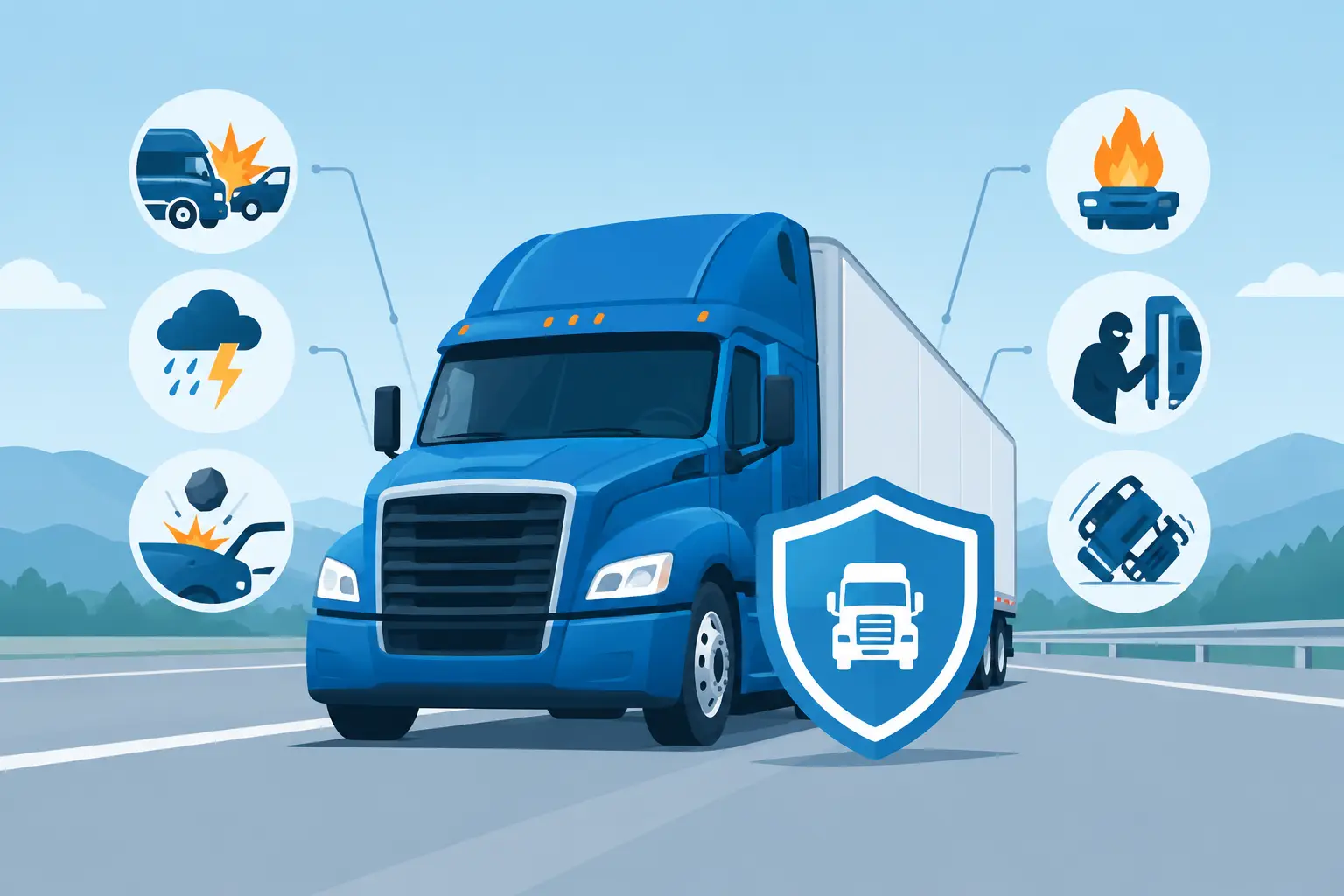
The coverage a power-only operator may need
Primary auto liability is the foundation. It responds when your truck causes bodily injury or property damage to others in an accident. Federal and customer requirements often set minimum limits, but the limit a broker accepts may be higher than the legal minimum. Many freight opportunities require $1 million in auto liability, especially when operating interstate.
Motor truck cargo coverage protects the freight you are legally responsible for while hauling it. The trailer may belong to someone else, but the goods inside can still create a cargo claim after a collision, theft, water damage, reefer failure, or load shift. Some dedicated trailer arrangements place cargo responsibility on another party, while others push more responsibility back to the motor carrier. Read the load agreement before assuming cargo is handled.
Trailer interchange coverage is often a key conversation for power-only work. It can cover physical damage to a non-owned trailer in your care, custody, or control when there is a written trailer interchange agreement. This is not the same as cargo coverage, and it is not automatically included just because you have primary liability. If the trailer is damaged in a jackknife, rollover, fire, or backing accident, the trailer owner will want to know who pays.
Some customers may require non-owned trailer physical damage coverage instead of, or in addition to, trailer interchange. The correct answer depends on the equipment arrangement and the wording in the contract. A dedicated trailer pool, a leased trailer, and a brokered drop trailer can create different requirements.
General liability may also be requested, particularly by warehouses, shippers, and facilities where your driver checks in, docks, or performs work beyond simply driving. It generally addresses certain non-driving claims, such as third-party injury or property damage that is not caused by a truck accident. It does not replace primary auto liability.
Physical damage coverage protects your tractor against collision, theft, vandalism, fire, and other covered losses. It is usually required by a lender when the truck is financed. Even when it is not required, many power-only operators cannot afford to have a tractor totaled and no way to get back on the road.
The biggest point of confusion: trailer damage
A common question is, “Why would I need coverage for a trailer I do not own?” Because ownership and responsibility are two different things.
Picture a driver picking up an empty trailer at a drop yard. On the way to the shipper, a tire failure leads to a loss of control and the trailer hits a guardrail. There may be no cargo involved yet, but the trailer has significant damage. Primary auto liability may address damage to the guardrail or another vehicle, but it does not necessarily pay for physical damage to the trailer under your control.
Now picture a loaded trailer that is stolen overnight from an unsecured lot. The trailer itself and the freight may be separate claims, potentially involving separate coverages and separate limits. The contract, police report, trailer agreement, cargo terms, and policy endorsements all matter.
This is why insurance should be reviewed before the first pickup, not after a customer sends an invoice for a damaged trailer.
Certificates can decide whether you get dispatched
For power-only operators, a certificate of insurance is often a working document, not a piece of paperwork filed away at renewal. Brokers and shippers may request certificates before onboarding, before dispatching a new lane, or when adding your company to a trailer program.
They may ask for specific limits, cargo limits, additional insured wording, waiver of subrogation, trailer interchange limits, or other endorsements. Some requests are reasonable. Others may not match the actual work or may require a policy adjustment. Sending a certificate that does not reflect the required coverage can create a problem just as quickly as sending no certificate at all.
Fast service matters here, but accuracy matters more. A certificate cannot create coverage that the policy does not provide. Before accepting a power-only contract, make sure the insurance requirements are reviewed against your actual policy rather than relying on a verbal assumption.
What affects the cost of power-only insurance?
There is no one rate for power-only operations. Insurers look at the whole risk, not just the words “power only” on an application. Your operating radius, states traveled, years in business, driver experience, MVRs, claims history, tractor value, cargo type, annual revenue, and number of power units all affect pricing.
The trailer arrangement also matters. Hauling standard dry van trailers for a stable customer is not evaluated the same way as moving high-value retail freight, refrigerated loads, auto-haul equipment, or trailers across congested metro areas. A new authority may face a smaller group of available insurance markets and higher premiums until it builds operating history.
The cheapest quote is not always the lowest-cost policy. A lower premium with inadequate cargo limits, no trailer damage protection, restrictive driver rules, or slow certificate service can cost far more when a good load opportunity appears. The goal is to buy coverage that fits the work you are actually doing, then shop it again as your operation matures.
Before you sign a power-only agreement
Ask who owns the trailer, who is responsible for physical damage, whether there is a written trailer interchange agreement, and what happens if the trailer is stolen or damaged while parked. Confirm the required liability and cargo limits, then ask whether the customer needs specific endorsements on the certificate.
Also be clear about your operation. If you haul both power-only loads and freight in your own trailer, say so. If you add drivers, expand into new states, take Amazon-related freight, or begin hauling higher-value cargo, update your agent before the change creates a claim issue. Insurance companies underwrite the operation they are told about, not the operation you meant to describe six months ago.
Get the policy built around the work
Power-only hauling can be a strong way to keep a tractor productive without buying more trailers. But it shifts part of the risk into contracts, customer requirements, and equipment you do not own. That makes details matter.
At MC Truck Insurance, we work with trucking operators to compare carrier options, review customer requirements, and keep certificates moving when dispatch cannot wait. Bring the trailer agreement and the insurance checklist to the conversation. The right coverage should let you take the load with confidence, not leave you guessing who pays when the trailer is in your hands.