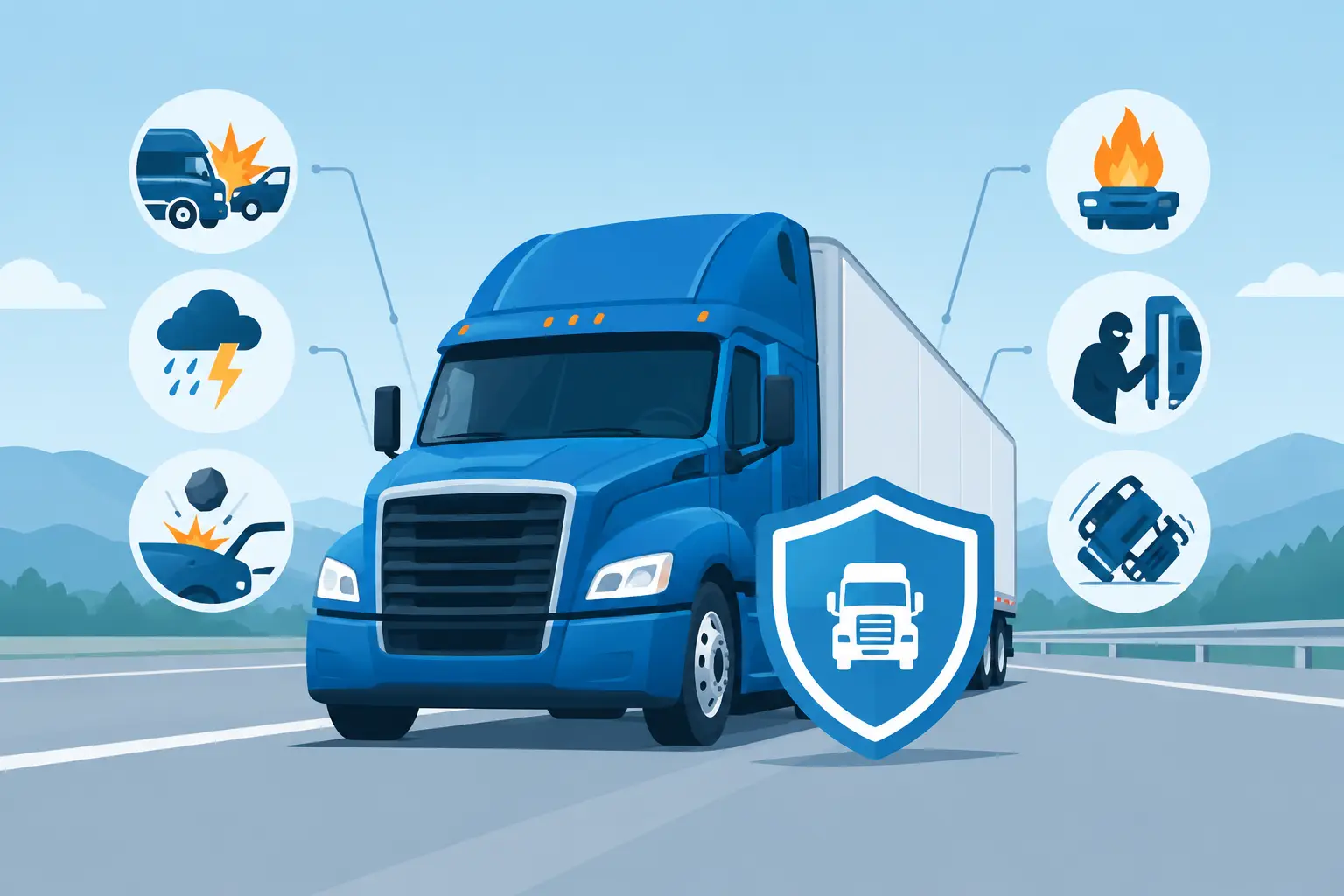
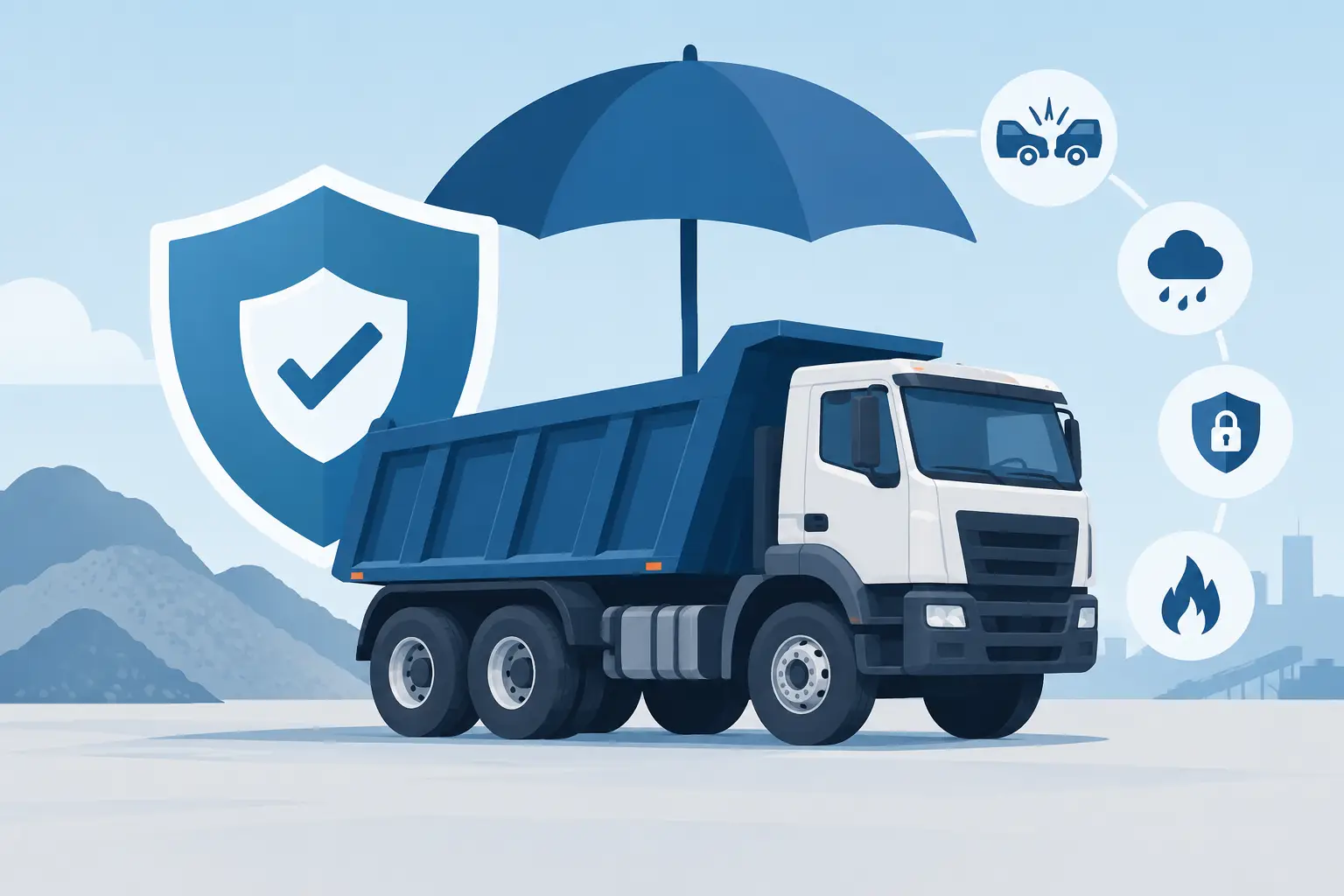
A side dump can look fine on a standard truck policy right up until it is raised on uneven ground, a rock cracks a windshield, or a jobsite contract asks for coverage nobody quoted. Knowing how to insure side dumps starts with the real work you do: where you haul, what material is in the trailer, who controls the unloading area, and how often your equipment leaves the pavement.
Side dump insurance is not one single coverage. It is a trucking insurance program built around the tractor, trailer, drivers, materials hauled, and the contracts that put you on a site. Get those details right before binding coverage, and you are far less likely to find a gap after a loss.
Start with the actual side dump operation
An underwriter needs more than “dump trailer” on an application. A side dump hauling aggregate from a quarry to a highway project is priced and insured differently than one hauling demolition debris through city streets or contaminated soil from a cleanup site.
Be ready to explain whether you run local, regional, or interstate; your normal operating radius; where the trucks are garaged; the commodities you haul; and whether drivers unload on public roads, active construction sites, mines, landfills, or private property. Share the number of axles, trailer values, tractor values, years of experience, and any prior claims.
This is not paperwork for paperwork’s sake. Side dumps have a different loss profile than dry vans. Uneven surfaces, soft shoulders, raised trailer beds, tight jobsite turns, overhead obstructions, and flying material can create expensive claims. If the application describes a simple local hauling operation but the actual work includes difficult site conditions and interstate travel, the policy may be misrated or a claim investigation may become harder than it needs to be.
The core coverage for insuring side dumps
Primary auto liability
Primary auto liability pays for bodily injury and property damage you cause to others in a covered accident. If a loaded side dump turns too tight and damages a passenger vehicle, or a truck leaves a jobsite and causes a serious roadway crash, this is the coverage responding to third-party damage.
Federal filings may require certain limits for interstate operations, and brokers, shippers, general contractors, and government projects often require higher limits. A $1 million liability limit is common, but it is not automatically enough for every contract or operation. Review the requirement before you accept the job, especially if the jobsite agreement calls for additional insured status or a larger umbrella limit.
Physical damage on tractors and trailers
Physical damage protects your own scheduled equipment after a covered collision, theft, fire, vandalism, or weather loss, subject to the policy terms and deductible. On a side dump operation, make sure the trailer is specifically listed with the correct value. Do not assume the tractor’s coverage automatically protects the trailer.
Use realistic stated values. Understating a newer side dump trailer may save premium at the start, but it can leave you short after a total loss. On the other hand, insuring an older trailer for more than its actual value can raise the premium without improving the claim result. Ask how the carrier settles losses and whether the valuation reflects actual cash value, stated amount, or another basis.
Also look closely at the deductible. A higher deductible can lower the premium, but a $10,000 deductible hurts when a tire blowout, side-swipe, or jobsite impact puts a trailer out of service. The right number is the one your business can pay quickly without parking the truck.
General liability for jobsite exposure
Commercial general liability can protect the business from certain non-driving claims, such as property damage or bodily injury arising from your premises or operations. It is often requested by contractors and can matter when a claim is tied to work around the truck rather than an auto accident.
The line between auto and general liability is not always simple. A loss during loading or unloading may depend on the facts, the policy wording, and who was operating equipment. This is why side dump operators should provide copies of major contracts before buying coverage. A certificate alone does not rewrite a policy or add coverage that was never included.
Motor truck cargo, when it applies
Cargo coverage is often misunderstood in dump trucking. If you haul aggregate, sand, gravel, asphalt millings, scrap, dirt, or debris, the need for cargo coverage depends on the commodity, ownership of the material, contract requirements, and the carrier’s rules. Some bulk materials and property carried in open-top equipment may have restrictions, exclusions, or limited appetite.
Do not buy a generic cargo limit and assume every load is covered. Ask specifically whether the commodities you haul are acceptable, whether loading and unloading are covered, and what happens if material spills, is contaminated, or is rejected. If a broker or shipper requires cargo insurance, get the requirement in writing and match the policy to it.
Do not overlook pollution and environmental exposure
A load of gravel is not the same as a load of contaminated soil, drilling waste, asphalt products, or debris with unknown contents. When material escapes a trailer, reaches a drain, contaminates a site, or requires cleanup, the cost can go beyond the damaged material.
Standard auto and general liability policies commonly limit pollution-related claims. Depending on what you haul, you may need a separate pollution liability solution or a specific endorsement. This is especially worth discussing when hauling waste, hazardous materials, fuel-related products, industrial byproducts, or soil from remediation projects.
The key is honesty on the commodity list. Calling questionable material “dirt” on an application is not a risk-management strategy. It can create a serious problem when a claim occurs.
Match the policy to the people and equipment on the road
Every driver should be disclosed, properly licensed, and acceptable to the insurance carrier. Underwriters will look at MVRs, CDL experience, age, prior accidents, violations, and years operating comparable equipment. A driver with strong dry van experience may still need to show experience with dump operations and jobsite conditions.
Keep the schedule current too. Adding a tractor, replacing a side dump, leasing on an extra unit, or using a borrowed trailer without telling your agent can create avoidable trouble. The same goes for owner-operators. If they run under your authority, confirm how the policy treats their equipment and whether they need their own physical damage, occupational accident, or other coverage.
For larger operations, telematics, dash cameras, maintenance records, documented pre-trip inspections, and jobsite unloading procedures can support a stronger insurance story. They do not erase claims, but they show carriers that safety is managed instead of left to chance.
Review contracts before you haul
A side dump operator may be asked for a certificate of insurance before entering a quarry, landfill, construction project, or municipal job. That request can include additional insured wording, waiver of subrogation, primary and noncontributory language, higher limits, or specific endorsements.
Do not wait until the truck is at the gate to discover the requirement. Send the contract or insurance requirements to your agent early. Some requests are routine; others require carrier approval, extra premium, or coverage that your current program cannot provide.
This is also where fast service matters. A delayed certificate can mean a missed dispatch, but issuing a certificate that does not match the actual policy is worse. You need an agency that can move quickly and still read the requirement carefully.
How to keep side dump insurance affordable
The cheapest quote is not always the best quote for a side dump operation. A low price can come with restrictive commodity rules, limited jobsite appetite, high deductibles, or weak service when you need an equipment change or certificate.
You can improve your position by keeping clean loss runs, maintaining equipment, hiring drivers carefully, documenting safety meetings, and reporting changes before they become surprises. It also helps to review the operation at renewal instead of automatically accepting the same policy. New routes, a better driver mix, fewer claims, or changes in trailer values can affect available options.
At MC Truck Insurance, we shop trucking-focused carriers and start with the way your side dumps actually run, not a one-size-fits-all application. That means asking the questions upfront while there is still time to fix a coverage issue.
Before your next load, pull out your declarations page, equipment schedule, commodity list, and biggest customer contracts. A short review now can be the difference between a policy that simply exists and protection that still works when the trailer is up, the ground is uneven, and the job cannot wait.