A broker asks for a certificate before releasing a load. A shipper requires higher liability limits. Your trailer is in the shop after an accident, and the truck payment is still due. Those are the real moments when owner operator trucking insurance stops being paperwork and becomes part of how you keep your business running.
For an owner-operator, insurance has to do more than satisfy an FMCSA filing or get your authority active. It needs to match how you operate: what you haul, where you run, who drives, whether you own the trailer, and what one unexpected loss could do to your cash flow. Buying the cheapest policy without checking those details can create an expensive gap at the worst possible time.
What Owner Operator Trucking Insurance Needs to Cover
The right policy depends on whether you run under your own authority or lease to another motor carrier. That distinction changes who carries primary responsibility for liability, cargo, and filings. Still, most owner-operators need to understand a core group of coverages.
Primary auto liability
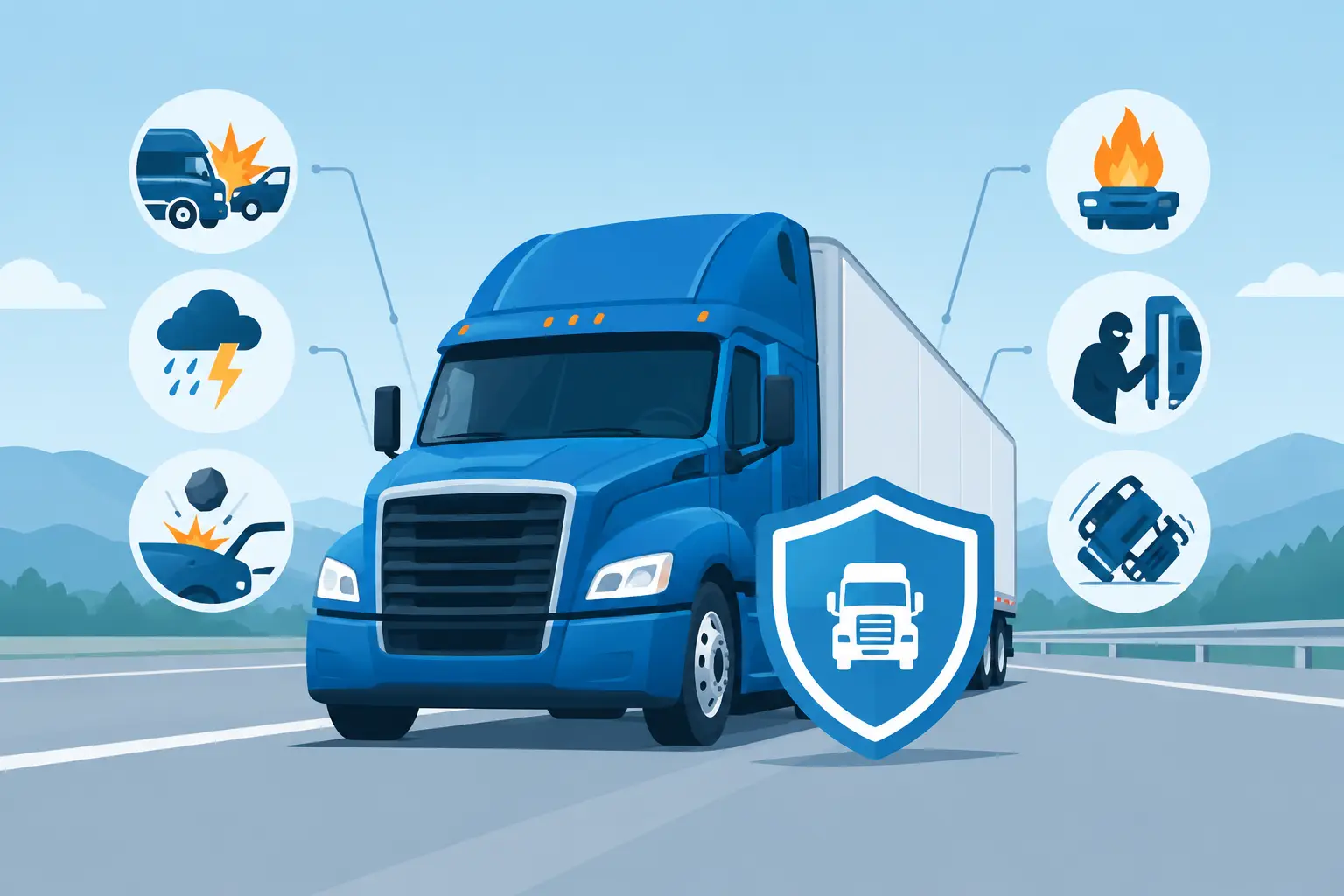
Primary auto liability pays for bodily injury or property damage you cause to others in a covered accident. If you turn right and strike a passenger vehicle, this is the coverage that responds to the other party’s injuries and vehicle damage, up to the policy limit.
Federal requirements are often only the starting point. A broker, shipper, or freight contract may require $1 million in liability, while certain commodities may require higher limits. Your operating authority, cargo type, lanes, and customer requirements all matter. Do not assume the minimum required to activate authority is enough to keep good freight opportunities open.
Motor truck cargo coverage
Cargo coverage protects the freight you are legally responsible for hauling. A reefer failure that damages produce, a rollover that ruins packaged goods, or a theft from a parked truck can all create a cargo claim.
The limit should reflect the actual value of your usual loads, not just the average load you hope to carry. If you normally carry $100,000 of cargo but buy a $50,000 cargo limit to lower premium, you may be personally exposed when a high-value load is lost. Also review exclusions carefully. Cargo policies can limit or exclude certain commodities, unattended theft, temperature-controlled losses, or particular types of fraud.
Physical damage
Physical damage covers your own truck and, when scheduled, your trailer for collision, comprehensive losses, and other covered damage. Collision applies when your equipment hits another vehicle or object. Comprehensive commonly addresses theft, vandalism, fire, hail, and animal strikes.
A lender will generally require this coverage while the equipment is financed. Even when a truck is paid off, dropping physical damage is a business decision, not an automatic way to save money. Ask whether your business could replace that truck after a total loss without interrupting operations for weeks or months.
General liability and other endorsements
General liability addresses certain non-driving business claims, such as a customer injury at your premises or damage caused during loading when the truck is not being operated on the road. It does not replace primary auto liability.
Depending on your operation, you may also need trailer interchange coverage for a non-owned trailer in your care, non-trucking liability for personal use when leased to a carrier, or bobtail coverage. Reefer breakdown, rental reimbursement, towing, roadside assistance, and downtime-related options can also be worth reviewing. The value of these additions depends on your equipment, contracts, and ability to absorb a disruption.
Your Authority Changes the Insurance Conversation
New authority owners often focus on getting a policy issued quickly. Speed matters, especially when equipment is ready and revenue is waiting, but the setup needs to be right from day one.
If you operate under your own MC authority, you generally need primary liability and the required federal filings before you can run interstate. You may also need cargo coverage to satisfy brokers and shippers, even when it is not federally required for your freight. A missing filing, incorrect vehicle information, or certificate that does not meet a customer requirement can delay a load just as effectively as a mechanical breakdown.
Leased owner-operators have a different set of questions. The carrier you lease to may provide primary liability and cargo while you are dispatched under its authority, but that does not mean every exposure is covered. Read the lease agreement and ask what applies when you are bobtailing, using the truck for personal conveyance, or hauling outside the carrier’s dispatch. Do not guess based on what another driver says their arrangement includes.
What Drives the Cost of Trucking Insurance
There is no honest one-price answer for owner-operator insurance. Premium is based on the risk your operation presents to the insurance carrier, and the details can make a major difference.
Your driving record and claims history matter, but they are not the whole picture. Carriers also look at your years of commercial driving experience, CDL history, garaging ZIP code, operating radius, states traveled, equipment value, commodities, annual revenue, prior insurance history, and whether you have had lapses in coverage. A new MC authority can cost more because there is no operating history for the insurer to evaluate.
Equipment and freight type also affect pricing. A dry van owner-operator hauling general freight has a different risk profile from an auto hauler, a hot-shot carrier, a dump truck operation, or a refrigerated carrier. The same is true for a truck that stays in regional lanes compared with one that runs coast to coast.
Higher deductibles can reduce physical damage premiums, but they shift more cost back to you after a loss. Lower limits may save money upfront but can make you ineligible for certain freight or leave you underinsured. The goal is not simply the lowest number on the quote. It is finding a premium and deductible structure your operation can carry when business is slow and when a claim happens.
Avoid Coverage Gaps That Shut Down Loads
Insurance changes constantly as your business changes. A new truck, trailer, driver, commodity, lane, or contract can require an update before you operate. Waiting until after a loss or after a broker rejects a certificate is too late.
Pay close attention to these common problem areas:
- A truck or trailer is added but not properly scheduled on the policy.
- A driver gets behind the wheel before being approved by the carrier.
- The operation begins hauling a commodity that is excluded or limited.
- A certificate lists limits that do not meet the customer’s contract requirements.
- Coverage lapses during a renewal, equipment change, or payment issue.
- A leased owner-operator assumes the motor carrier’s policy covers off-dispatch use.
A certificate of insurance is proof of coverage, not a substitute for coverage itself. Fast COIs matter because brokers and shippers often will not release freight without them. But the certificate must accurately reflect an active policy that actually covers the operation being represented.
How to Review a Quote Before You Bind
A quote should be compared line by line, not just by total premium. Two policies with similar prices can have very different deductibles, cargo limits, underwriting restrictions, payment terms, and claims service expectations.
Start by confirming the named insured, DOT and MC information, garaging address, trucks, trailers, and drivers. Then verify the liability limit, cargo limit, physical damage values, and deductibles. Ask whether your commodities are covered, whether the policy has radius restrictions, and what happens if you add equipment or hire a driver midterm.
Also ask about filings and certificates. If you need a COI at night, on a weekend, or while sitting at a shipper, you need a clear process for getting it. The right agency should be able to explain what is covered in plain language and respond when operations change, not only when it is time to collect a premium.
MC Truck Insurance was built by truckers for truckers, so the conversation should start with your actual operation, not a generic commercial insurance form. A good insurance partner shops qualified carrier options, helps make sense of the differences, and stays involved after the policy is issued.
Your truck is how you earn. Before the next load, take a hard look at whether your policy matches the equipment you run, the freight you accept, and the risk your business can truly afford to carry.