A new MC number can get you excited fast. Then the first broker asks for a certificate, the load board shows a higher cargo requirement, and you realize insurance is not just another startup expense. It is what keeps your authority active and your truck eligible to haul. The best insurance for new authorities is not always the lowest quote. It is coverage that meets FMCSA filings, matches the freight you plan to move, and gives you fast support when a broker needs a COI before the truck can roll.
New authorities are usually priced differently because there is no operating history for an insurance carrier to review. That does not mean you should accept the first number put in front of you. It means your application, equipment, routes, driver experience, and cargo plan need to be presented correctly from the beginning.
Start With the Coverage Your Authority Actually Needs
For-hire interstate carriers generally need primary auto liability coverage filed with the FMCSA before their authority can become active. The federal minimum for non-hazardous freight in vehicles over 10,001 pounds is commonly $750,000, but many brokers, shippers, and freight platforms require $1 million in liability. That is why a $750,000 policy may technically satisfy a federal requirement while still limiting the loads you can book.
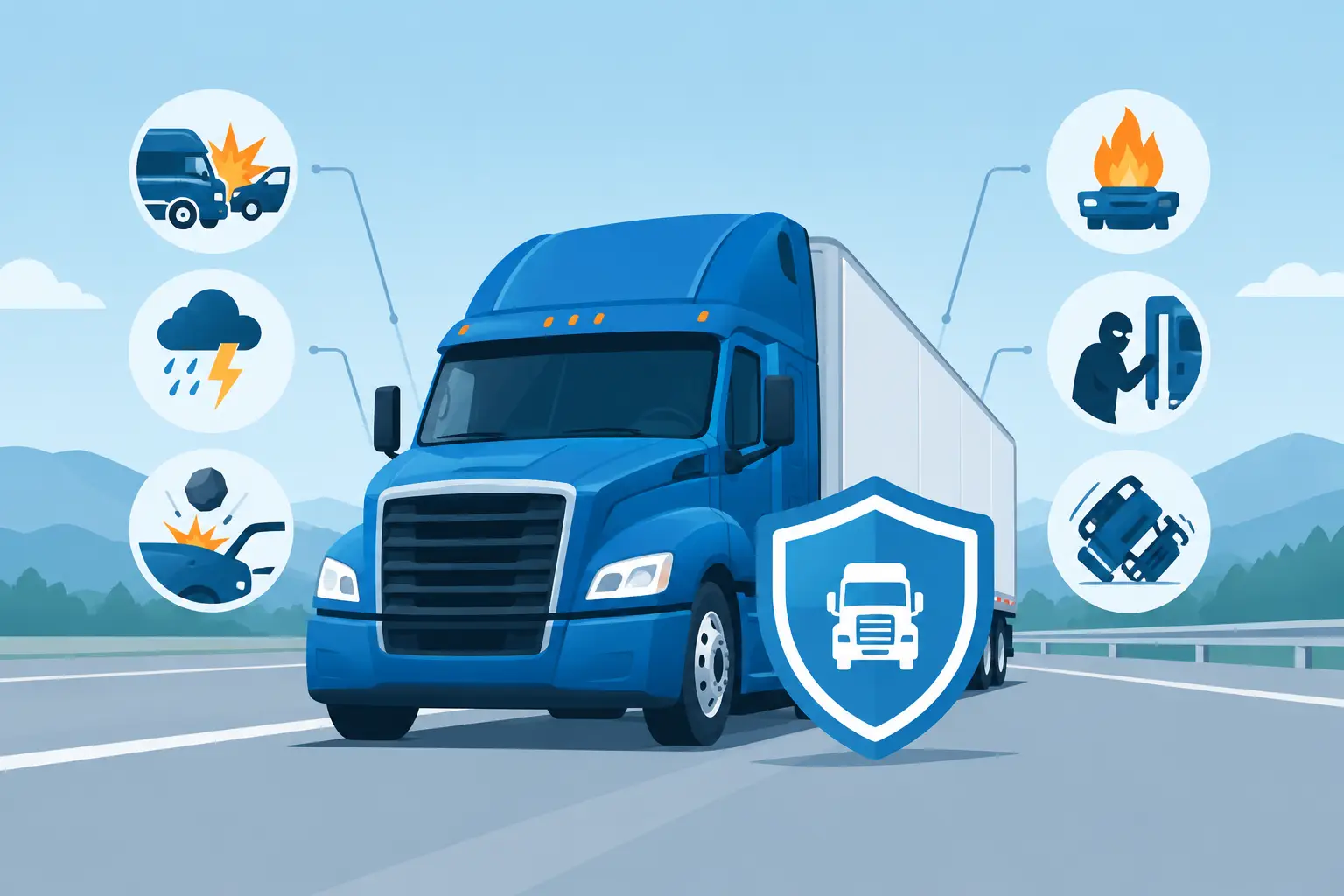
Primary auto liability pays for injuries and property damage to others when your truck is at fault. Think about a right-turn accident where a tractor-trailer contacts a passenger vehicle, or a rear-end crash in traffic. Those claims can become expensive quickly. This is the policy that protects the public and keeps your operating authority compliant.
Cargo coverage is usually the next major requirement. FMCSA does not require cargo insurance for every type of freight carrier, but brokers and shippers often do. A $100,000 cargo limit is common for general dry van freight. Refrigerated loads, high-value electronics, auto hauling, pharmaceuticals, and certain retail contracts may require more.
The right cargo policy must fit what you haul. If you plan to take refrigerated loads, be clear about reefer breakdown coverage and temperature-related loss. If you haul machinery or coils on a flatbed, securement exposures matter. If you take Amazon-related loads, power-only work, or auto transport, read the contract requirements before you buy a policy that falls short.
Physical damage coverage protects your own tractor, trailer, or both after a covered collision, theft, vandalism, fire, or weather loss. It is not usually required by the FMCSA, but lenders and lease companies commonly require it. More importantly, ask yourself what happens if your truck is down for three weeks after a collision. For most new owner-operators, paying out of pocket to replace a financed truck is not realistic.
The Best Insurance for New Authorities Is Built Around Your Operation
A good quote begins with accurate details, not a generic classification. Insurance carriers want to know where you run, what equipment you use, how far you travel, who drives, where the truck is parked, and what commodities you haul. A local dump-truck operation does not carry the same exposure as a 48-state dry van carrier. A hot-shot operation does not look like a six-car auto hauler.
Be specific about your radius. Saying you will run all 48 states because you might someday do it can raise your premium and place you with a carrier that does not match your actual operation. On the other hand, understating your operating area can create trouble when you start taking loads outside the states listed on your policy.
The same goes for cargo. “General freight” is not a free pass to haul every commodity. Hazardous materials, household goods, alcohol, tobacco, temperature-sensitive freight, expensive electronics, and vehicles can require different underwriting, higher limits, or separate coverage. Be honest before binding coverage. It is much easier to set up the policy right than explain an undisclosed load after a claim.
Your driver record matters, but it is not the only factor. Carriers may review CDL experience, prior commercial insurance, violations, accidents, age, years in business, and the experience of anyone else who will operate the truck. A new authority with an experienced CDL driver may be viewed differently than a brand-new driver launching a long-haul operation.
Watch for Gaps That Can Cost You a Load or a Truck
New authority owners often focus on the monthly payment. That number matters, but the policy details matter when something goes wrong or a broker sends over a contract at 4:45 p.m.
Ask whether the policy includes or can add trailer interchange coverage. If you pull a trailer owned by someone else under a trailer interchange agreement, your physical damage policy may not automatically cover that trailer. Non-owned trailer physical damage may also be useful depending on how you operate, but it is not the same thing as trailer interchange.
Consider general liability as well. Primary auto liability handles accidents involving the truck on the road. General liability can respond to certain non-driving business exposures, such as a customer injury at your premises or damage caused during loading activities. Some shippers and warehouses require it before allowing access.
Uninsured and underinsured motorist coverage, medical payments, roadside assistance, rental reimbursement, and downtime-related options may also be available. They are not right for every operation. The trade-off is simple: broader protection costs more, but the cheapest policy can leave a new business exposed during the exact kind of disruption it cannot easily absorb.
Also review deductibles carefully. A lower premium with a $5,000 or $10,000 physical damage deductible may look attractive until you need repairs. Choose a deductible you can actually pay without missing payroll, a truck payment, or fuel costs.
How to Compare Quotes Without Chasing a Bad Deal
When you compare trucking insurance quotes, compare the same operation and the same limits. One quote may look cheaper simply because it excludes a trailer, uses a higher deductible, offers lower cargo limits, or classifies your operation differently.
Before you bind, confirm these points in writing or through a clear policy review:
- Primary liability limit and required FMCSA filings
- Cargo limit, deductible, covered commodities, and key exclusions
- Physical damage values for each tractor and trailer
- Radius, states of operation, and vehicle use
- Listed drivers and any driver restrictions
- Trailer interchange, general liability, and other contract-required coverage
- Down payment, installment fees, cancellation terms, and audit requirements
Do not assume an insurance certificate proves every coverage requirement is met. A COI is evidence that a policy exists, but the policy language, endorsements, limits, and exclusions control the actual coverage. If a broker requires an additional insured, waiver of subrogation, or a particular cargo limit, have your insurance agent review the request rather than guessing.
Fast certificates matter because freight does not wait. But speed should come with accuracy. A wrong VIN, incorrect insured name, missing additional insured, or outdated vehicle schedule can hold up a pickup just as surely as no certificate at all.
Lowering Your New Authority Insurance Cost the Right Way
There is no magic rate for a new MC authority. New venture premiums can be high, especially for long-haul operations, newer drivers, heavy equipment, or high-risk commodities. Still, there are practical ways to improve your position without buying inadequate protection.
Keep your MVR clean, document your CDL experience, maintain safe parking, use dash cameras when appropriate, and avoid adding drivers without a proper review. Start with the lanes and freight you can serve consistently. A clear operating plan gives underwriters more confidence than a vague plan to haul anything, anywhere.
Pay attention to equipment value, too. Overinsuring a truck or trailer raises physical damage cost, while undervaluing it can leave you short after a total loss. Use realistic stated values and update them when equipment changes.
Most of all, work with someone who shops the trucking market instead of treating your business like a generic commercial account. At MC Truck Insurance, we understand the pressure of getting authority active, meeting broker requirements, and keeping a truck earning. We work for you – not the carriers – by reviewing the operation, comparing available options, and staying available when you need changes, driver updates, or certificates.
Your first policy is not a set-it-and-forget-it decision. As your authority builds a safety record, adds equipment, changes lanes, or moves into different freight, revisit the coverage before renewal. The right insurance lets you take the loads you are qualified to haul with confidence, while protecting the business you are working hard to build.