A dry van can look like the simplest equipment on the road, but the insurance behind it rarely is. Dry van trucking insurance has to satisfy your authority, your broker or shipper, your lender, and the real exposures that show up between pickup and delivery. One missing cargo endorsement or a certificate that does not match a broker’s requirements can cost a load, a customer, or a day of revenue.
For owner-operators and fleets, the goal is not just to get a policy bound. It is to get coverage that fits the freight you haul, the lanes you run, the drivers you hire, and the business you are building.
What dry van trucking insurance usually includes
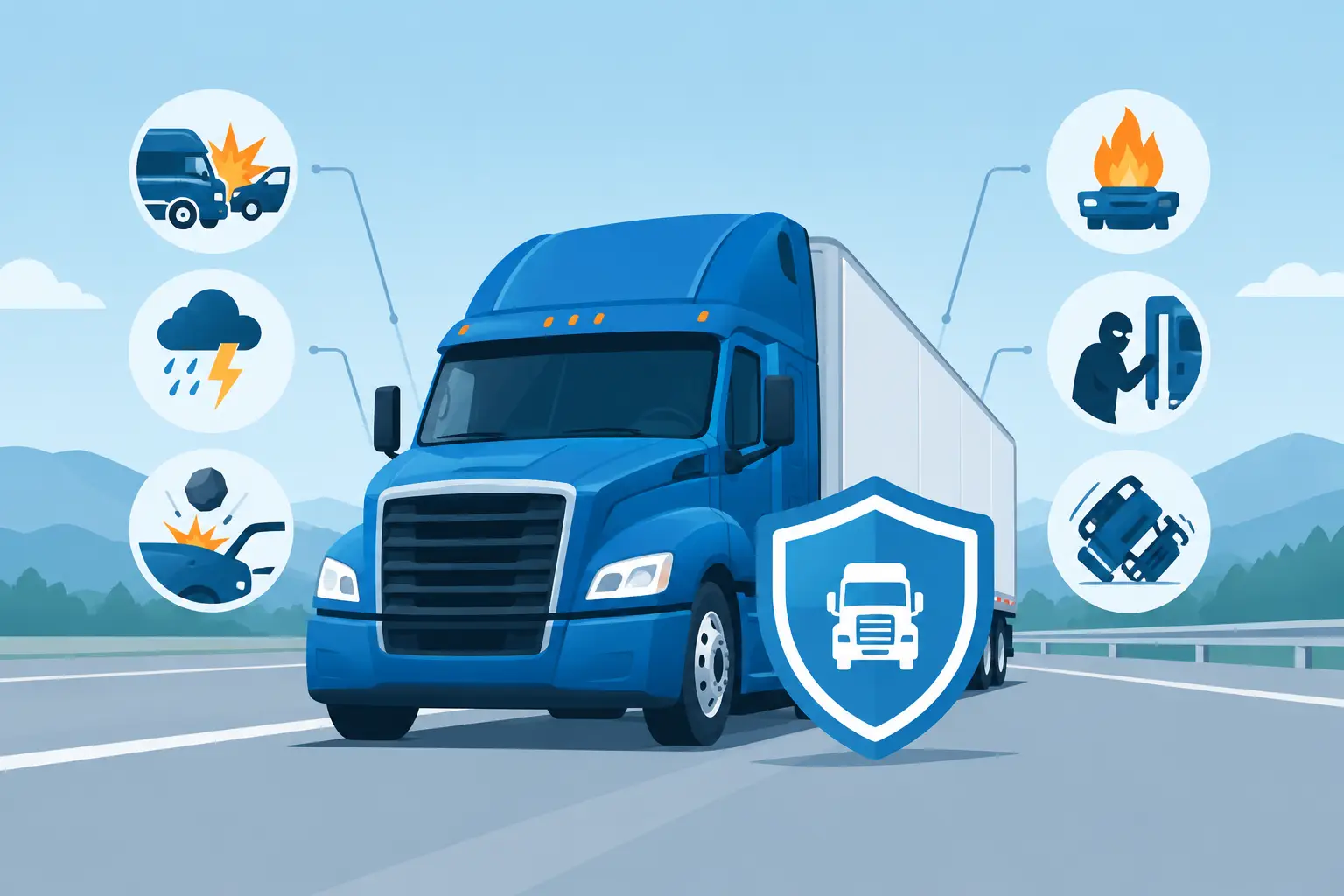
Dry van trucking insurance is a group of coverages built around a for-hire carrier operating enclosed trailers. The exact package depends on your operation, but primary auto liability, motor truck cargo, and physical damage are usually the core pieces.
Primary auto liability pays for bodily injury or property damage to others when your truck is responsible for an accident. If a driver makes a tight right turn and contacts a passenger vehicle, this is the coverage that responds to the third party’s injuries and vehicle damage. Interstate carriers commonly need at least $750,000 in public liability to meet federal requirements for non-hazardous freight, but many brokers, shippers, and contract freight customers require $1 million.
Motor truck cargo protects the freight you have accepted for transport. A dry van may haul packaged food, paper products, consumer goods, building materials, electronics, or general merchandise. A rollover, fire, theft, or cargo damage claim can turn into a major loss quickly, especially when high-value freight is involved. Many brokers ask for $100,000 in cargo coverage, while larger retail, electronics, or specialized loads may require more.
Physical damage covers your own tractor and trailer for covered collision, theft, fire, vandalism, or certain weather losses. It is often required when equipment is financed or leased. The deductible is part of the decision: choosing a higher deductible can lower the premium, but it also means more out-of-pocket cost before repairs begin.
General liability, non-trucking liability, trailer interchange, and roadside-related protections may also matter depending on how you operate. They are not automatic substitutes for one another. A driver under permanent lease, a carrier running under its own authority, and a power-only operator can each need a different setup.
The coverage limits your freight can demand
A common mistake is buying limits based only on the minimum needed to activate an authority. Minimums may keep you legal, but they do not necessarily keep you eligible for the loads that make your truck profitable.
Brokers and shippers often set their own insurance requirements. A retailer may request $1 million in auto liability and $100,000 in cargo. Another customer may require $250,000 in cargo, a specific deductible maximum, reefer breakdown protection, or an additional insured endorsement. If your policy cannot meet the contract, dispatch may have to turn down the load.
The right limit depends on what is actually inside your trailer. A dry van carrier hauling low-value pallets of paper goods has a different cargo exposure than one moving pharmaceuticals, computers, spirits, branded apparel, or high-theft consumer products. Do not describe every load as “general freight” if you regularly haul a commodity with special restrictions. A denied claim is far more expensive than a straightforward conversation before binding.
Cargo deductibles also deserve attention. A $2,500 or $5,000 deductible may be manageable for a larger fleet with reserves. For a new authority running one truck, it can put serious pressure on cash flow after a loss. Lower deductibles can raise the premium, so this is a business decision, not a one-size-fits-all answer.
Watch for commodity exclusions and theft conditions
Cargo coverage has terms, exclusions, and conditions. Certain commodities may be excluded, limited, or require prior approval. Theft claims may come with stricter requirements for unattended equipment, secure parking, driver reporting, or tracking devices.
That matters when a dispatcher finds a strong-paying load late in the day. Before accepting freight outside your usual lane or commodity profile, confirm that your cargo policy covers it. A load involving high-value electronics, alcohol, pharmaceuticals, tobacco, temperature-sensitive items, or controlled goods can change the risk considerably.
Also pay attention to who has custody of the trailer. If you pull a trailer owned by another carrier, trailer interchange coverage may be needed for damage to that trailer while it is in your possession. It is different from cargo insurance and different from physical damage on equipment you own.
What drives dry van trucking insurance cost
There is no honest flat rate for dry van insurance because underwriting is based on the operation behind the truck. Two carriers with the same tractor, same home state, and same cargo limit can receive very different quotes.
Your driving records, prior insurance history, years of CDL experience, loss history, operating radius, garaging location, equipment value, and cargo all matter. New authority carriers often pay more because insurers have less business history to review. That does not mean a new authority cannot find coverage. It means the application needs to present the operation clearly and accurately.
A clean, experienced driver can help. So can continuous coverage, stable operations, realistic revenue, and a clear understanding of where the truck will run. On the other hand, lapses in coverage, undisclosed drivers, major violations, prior cancellations for nonpayment, and losses can limit carrier options or increase pricing.
The cheapest quote is not always the best deal. A lower premium may come with a larger cargo deductible, restricted commodities, limited payment options, or weaker fit for your broker requirements. Compare the whole policy: limits, deductibles, covered commodities, endorsements, payment schedule, and the service you will receive when a certificate or driver change is needed.
Build the policy around how you actually operate
A good insurance application should tell the real story of your business. That includes whether you run local, regional, or coast-to-coast; whether you use owner-operators; whether trailers are owned, leased, or exchanged; and which loads are routine versus occasional.
If you are adding a driver next week, buying another tractor, changing your primary lanes, or moving into a new commodity, handle the insurance update before the truck rolls. Waiting until after a claim or a broker rejection leaves few good options.
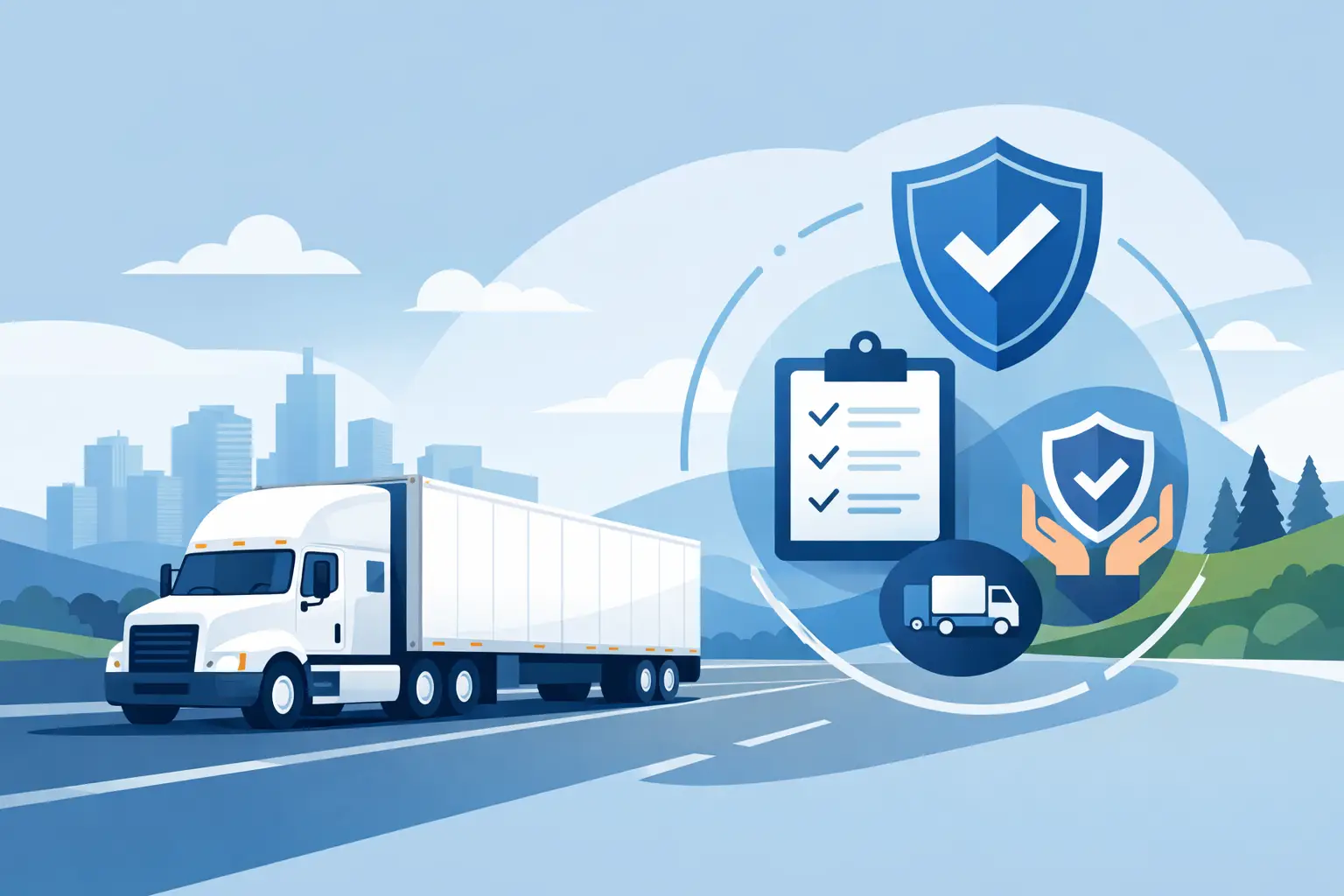
Certificates of insurance are another operational detail that deserves more respect than it gets. A COI is often the last item standing between you and a booked load. Your broker may need a certificate with specific wording, an additional insured, a waiver of subrogation, or a particular cargo limit. Fast certificate access matters because freight opportunities do not wait for office hours.
For fleets, consistency matters just as much. Keep driver files current, report equipment changes promptly, document maintenance, and review claims trends. Underwriters look for signs that a carrier manages risk instead of reacting after a problem. Better operations do not guarantee lower premiums, but they give you a stronger position when renewal time comes.
Renewal is a buying opportunity, not paperwork
Many carriers let a policy renew without reviewing whether the operation has changed. That can leave you paying for coverage that no longer matches the business, or discovering too late that a new customer requires higher limits.
Start the renewal conversation early. Review every driver, unit, loss, commodity, lane, and revenue change. Ask whether your current cargo limit still makes sense and whether any endorsements can be removed or need to be added. If a premium has increased, identify the reason before assuming every carrier will see the account the same way.
MC Truck Insurance approaches this from the trucking side, not as a generic commercial account. We work for you, not the carriers, by comparing options and helping make sure the policy supports the work your trucks are actually doing.
The best time to fix an insurance gap is before dispatch sends the rate confirmation. Keep your policy current, keep your certificates ready, and make sure the coverage protecting your business can keep pace with the freight you are ready to haul.