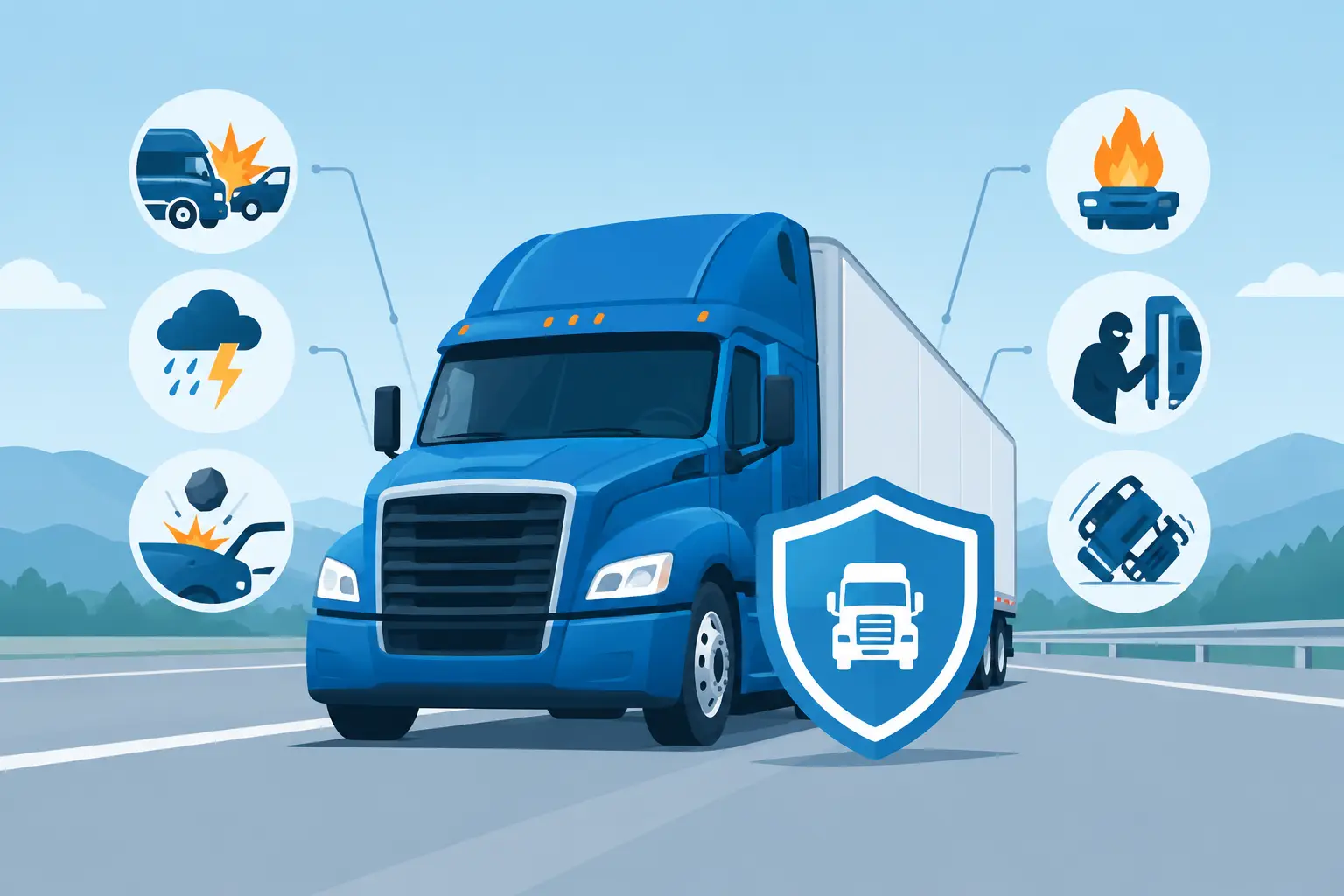
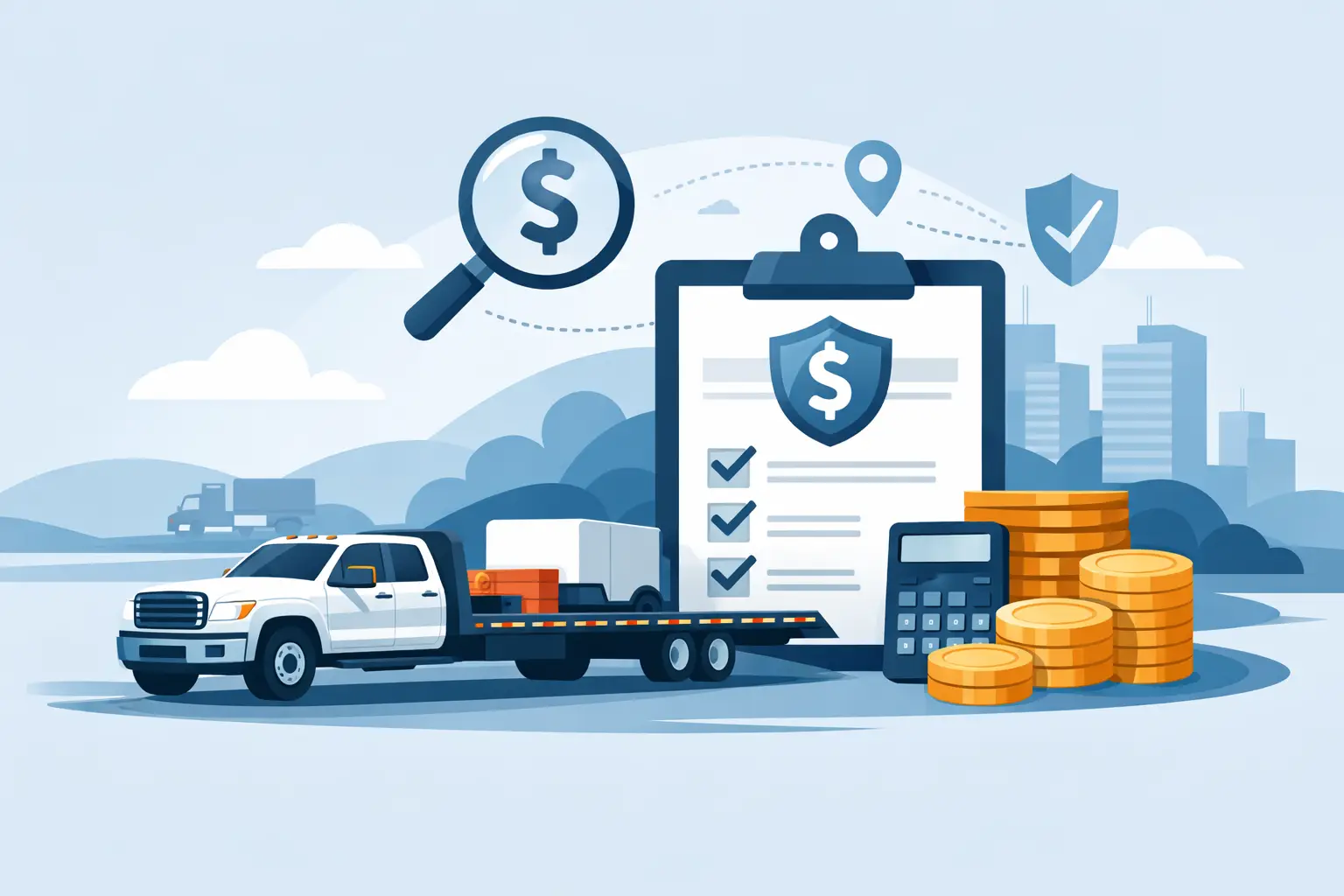
A hot shot operation can look simple from the outside: a pickup, a trailer, and freight that needs to move now. But once you operate under your own authority, insurance becomes one of the biggest fixed costs on the truck. Hot shot trucking insurance cost can range widely because insurers are pricing the work behind the equipment – the miles, freight, drivers, contracts, and loss exposure – not just the pickup in your driveway.
For many new-authority hot shot carriers, annual commercial insurance can land in the five figures. Experienced operators with a clean record, proven lanes, and the right equipment may see more favorable terms. The point is not to chase a number you saw online. It is to build a policy that gets you loaded, meets broker requirements, and does not leave a major gap when something goes wrong.
What Hot Shot Trucking Insurance Cost Looks Like
A typical hot shot carrier running interstate under its own MC authority often needs primary auto liability and motor truck cargo coverage at a minimum. Depending on the operation, annual premiums may commonly fall somewhere around $12,000 to $30,000 or more. New ventures, younger drivers, higher limits, difficult freight, or unfavorable loss history can push that number higher.
That range is not a quote. It is a planning figure. A one-truck operator hauling general freight within a few neighboring states is not priced like a carrier running nationwide with a 40-foot gooseneck, multiple drivers, and time-sensitive cargo. A truck insured for personal or occasional business use is also not the same thing as a for-hire commercial operation under federal authority.
Most policies offer payment plans, so the immediate concern is often the down payment plus monthly installments. Do not compare monthly payments alone. A lower down payment can come with higher finance charges, a larger final payment, or a total premium that is not actually lower. Compare the full annual cost, coverage limits, deductibles, and what the policy requires you to do.
The Factors That Drive Your Premium
New authority and operating history
New MC authority is one of the strongest pricing factors. An insurer has limited evidence that a new carrier can hire safely, manage maintenance, control routes, and prevent claims. That does not mean a new business is uninsurable. It means the market has less history to work with, so rates are often higher and carrier choices may be narrower.
Operating history helps when it is clean and documented. Prior commercial driving experience can matter, especially when the driver has been running similar equipment and freight. Still, personal auto history does not fully replace a commercial loss history. Be upfront about prior authorities, claims, canceled policies, and lapses. Surprises found during underwriting can delay binding or create problems after the policy starts.
Drivers and MVRs
For a small hot shot company, the driver is often the business. Insurers review age, CDL status when applicable, years of commercial experience, moving violations, accidents, suspensions, and previous claims. A clean motor vehicle record can make a meaningful difference. A recent serious violation, multiple speeding tickets, or an at-fault accident can increase the price quickly.
Adding a driver is not just an administrative update. It changes the risk being insured. Call your agent before someone takes a load, even if that person is family or only plans to drive occasionally. The same goes for removing drivers who no longer operate the truck. Keeping the policy accurate protects your operation and avoids paying for exposure you no longer have.
Equipment, trailers, and physical damage
Your pickup, trailer type, vehicle value, and radius all affect the quote. A newer heavy-duty truck and high-value trailer cost more to repair or replace, which increases physical damage premiums. Physical damage is generally optional from a regulatory standpoint, but a lender usually requires it until the equipment is paid off.
Choosing a higher physical damage deductible may lower the premium. That trade-off only works if your business can actually cover the deductible after a collision, theft, hail loss, or other covered claim. Saving a few dollars per month is not helpful if a $5,000 or $10,000 deductible sidelines your truck.
Freight, cargo limits, and contracts
Not all cargo creates the same exposure. General freight may be easier to place than high-value electronics, pharmaceuticals, hazardous materials, automobiles, or temperature-sensitive freight. Some brokers and shippers require $100,000 in cargo coverage, while certain loads or contracts require more. Cargo limits should reflect the freight you haul, not simply the cheapest certificate you can produce.
Cargo insurance also has exclusions and conditions that matter in real life. Theft from an unattended truck, improper securement, temperature problems, damaged packaging, and unattended trailer requirements can all affect a claim. If you haul specialized loads, explain that before binding coverage. The right answer is often a better-matched policy, not a policy that looks inexpensive until a loss occurs.
Lanes, radius, and where you park
A carrier running local construction materials around Utah is not exposed the same way as a hot shot operator hauling expedited loads coast to coast. Interstate travel, dense metro areas, longer hauls, border crossings, and high-theft regions can affect pricing. Your garaging address matters too, because insurers consider where equipment is parked when it is not rolling.
Be accurate about your operating radius. If you tell an insurer you run within 500 miles but regularly accept loads across the country, you may create a coverage and underwriting problem. Growth is good. Just update the policy before your operation outgrows its original application.
Limits, filings, and coverage choices
For-hire interstate carriers generally need federal liability filings, and many hot shot operations carry $1 million in primary auto liability because freight brokers and shippers commonly require it. The legal minimum and the limit needed to work are not always the same thing.
You may also need general liability, non-trucking liability, trailer interchange, roadside assistance, or other coverage depending on your contracts and equipment use. Each addition changes the total cost. The goal is not to pile on every available endorsement. It is to understand what your customers require and where your operation carries a real financial risk.
How to Keep Costs Under Control Without Cutting Corners
The most reliable way to manage insurance cost is to present a clean, accurate operation to the market. That starts with hiring standards, MVR reviews, maintenance records, secure parking, dash cameras when they fit your operation, and clear rules for freight securement. None of these guarantees a lower premium tomorrow, but they support a safer account over time.
Avoid letting coverage cancel for nonpayment. A lapse can make the next policy substantially harder and more expensive to place, even when no claim occurred. If cash flow is tight, contact your agent before a cancellation notice becomes a canceled policy. There may be payment options, but they are easier to address early.
Shop your renewal every year, but do it with complete information. A quote based on the wrong driver list, incorrect radius, or vague cargo description may look great until underwriting reviews it. MC Truck Insurance works for the trucker, not the carrier, by comparing options against the actual operation and explaining the differences in plain language.
Also ask about certificates of insurance before you need one at a loading dock. Fast COIs keep dispatch moving, but the certificate must match the policy and the broker’s requirements. A rushed certificate request cannot fix a missing coverage limit or an excluded commodity after a load is booked.
Questions to Ask Before You Bind
Before signing, ask what the policy covers when the truck is bobtailing, whether the cargo form fits your usual freight, how claims affect renewal, and what happens if you add a trailer or driver. Ask whether roadside assistance, towing, and rental reimbursement are included or optional. These details can matter more than a small difference in premium.
Read the payment schedule and deductible amounts carefully. Confirm the named insured, DOT and MC information, equipment VINs, driver list, garaging address, radius, and cargo description. A policy is built from these operational details. Getting them right is part of protecting your authority.
The best insurance decision is one that lets you accept the right freight with confidence, keep your certificates ready, and stay on the road after a bad day. Start with an honest picture of your operation, then choose coverage that can keep up with where you are headed.