A low premium can look like a win until a broker rejects your certificate, a cargo claim exposes a gap, or adding a driver takes days instead of minutes. A useful trucking insurance comparison is not about finding the cheapest number on a quote sheet. It is about putting the right coverage, carrier, service, and payment structure behind the freight operation you are trying to run.
Truckers already manage fuel swings, maintenance, dispatch changes, detention, and tight delivery windows. Insurance should support the operation, not create another fire to put out. Whether you have one truck under a new authority or a fleet crossing state lines every day, compare policies the same way you evaluate a load: look at the full terms, not just the headline rate.
Start With How Your Trucking Operation Actually Runs
Before comparing carriers, get clear on the risk your business presents. An insurer prices what it sees on the application, and small details can change both eligibility and cost. Your radius, commodity, equipment type, driver experience, loss history, and revenue all matter.
A dry van carrier running general freight across 48 states does not face the same exposure as a local dump truck business, a refrigerated carrier, an auto hauler, or a hot-shot operator. Towing and roadside assistance bring their own risks. So does power-only work, where trailer interchange coverage may matter even though you do not own the trailer.
Be accurate when describing your operation. If you regularly haul toward the East Coast but tell the insurer you stay within a 500-mile radius of Salt Lake City, that mismatch can become a problem later. The same goes for commodities. General freight, household goods, autos, refrigerated products, hazardous materials, and high-value electronics are not interchangeable on an insurance application.
A good broker asks operational questions because the answers protect you. They should want to know where you run, what you haul, who drives, which units are active, and what contracts require. That is not paperwork for paperwork’s sake. It is how coverage gets matched to the work.
What to Compare Beyond the Premium
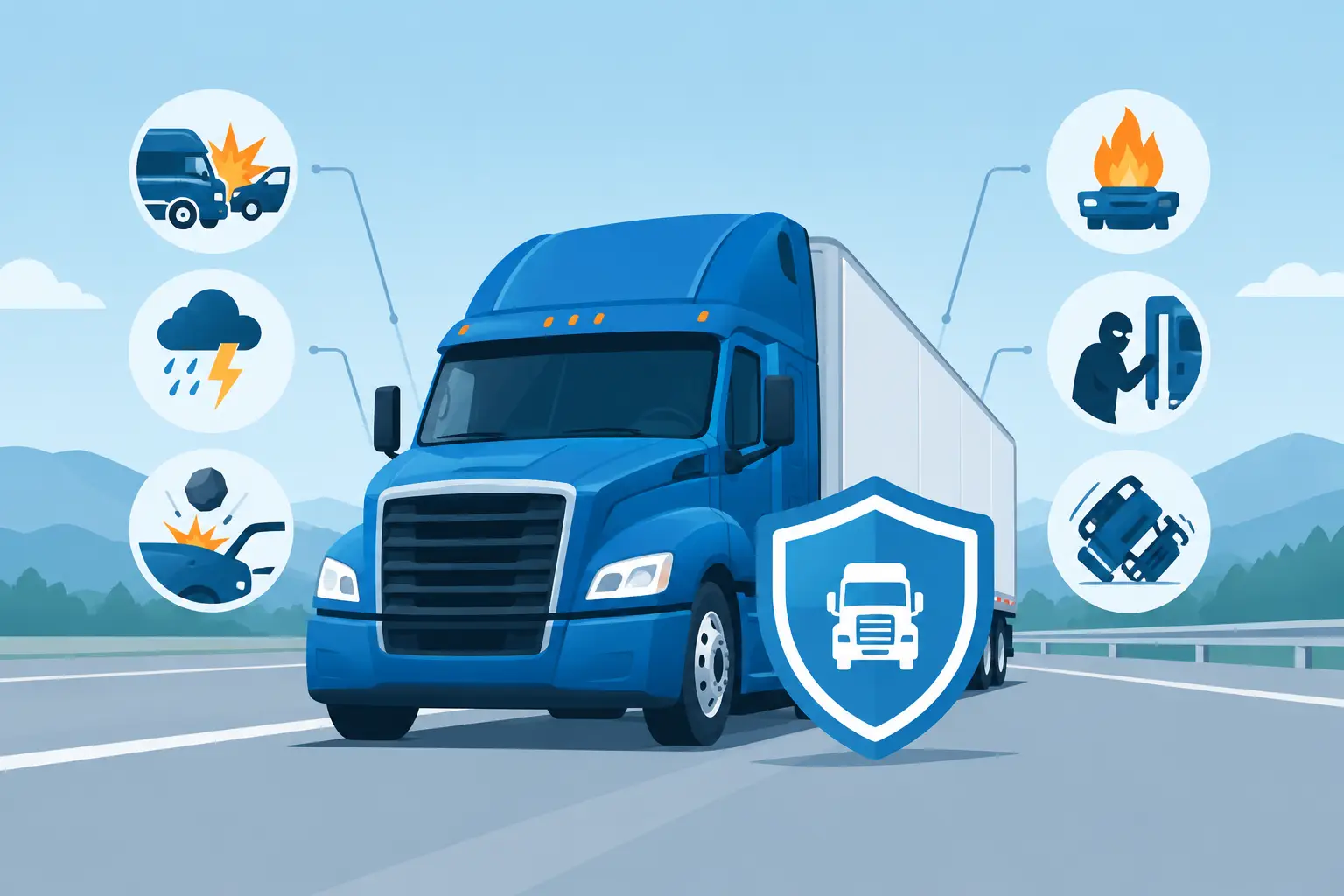
Primary auto liability is usually the first number a trucking owner sees, and it is a major part of the cost. It pays for bodily injury and property damage you cause to others in a covered accident. Federal filings may require a minimum limit for interstate operations, but many brokers, shippers, and contracts expect $1 million in liability. The required limit and the smart limit are not always the same thing.
Do not stop at liability. Compare the full package and confirm the limits, deductibles, exclusions, and endorsements in writing.
Motor truck cargo coverage
Cargo coverage helps protect the freight you are responsible for while it is being transported. A common request is $100,000 in cargo coverage, but that may not be enough for every load. If a shipper tenders a $200,000 load of electronics or temperature-sensitive freight, a $100,000 cargo limit leaves a real exposure.
Also ask what is excluded. Certain commodities, unattended theft, temperature spoilage, employee dishonesty, or insufficient refrigeration maintenance can be treated differently depending on the policy. Reefer breakdown coverage may need to be specifically addressed for refrigerated freight. A cargo policy is only useful when it fits the cargo you actually accept.
Physical damage and the deductible you can carry
Physical damage covers your own tractor or trailer for collision, theft, vandalism, fire, and other covered losses. The deductible directly affects your premium. A higher deductible can lower the annual cost, but it also means more cash out of pocket after an accident.
That trade-off depends on your reserves. A $5,000 or $10,000 deductible may be workable for an established fleet with cash on hand. For a new authority with one truck, it can turn a manageable accident into downtime you cannot afford. Compare stated values carefully, too. If equipment values are too low, a total loss can leave you short when it is time to replace the unit.
The coverages that contracts may require
Trailer interchange, non-trucking liability, general liability, umbrella coverage, and warehouse legal liability are not needed by every carrier. But the right contract can make one of them necessary quickly. Trailer interchange matters when you pull a trailer you do not own under a trailer interchange agreement. General liability may be required for a warehouse, shipper, or Amazon-related operation. An umbrella policy can add limits above underlying policies when a contract or risk profile calls for more protection.
Compare what is included, what is optional, and what your customers expect. Paying for coverage you do not need is wasteful. Missing coverage required to book a profitable load is just as costly.
Compare the Carrier Behind the Policy
Not every insurer has the same appetite for trucking. One carrier may be competitive for an experienced dry van operator with clean drivers, while another may be a better fit for a new MC authority, dump operation, or fleet with specialized equipment.
Ask whether the insurer understands your type of hauling and whether it has a stable history in commercial trucking. A quote that is far below every other option deserves a closer look. It may reflect a restrictive endorsement, a high deductible, a limited appetite that disappears at renewal, or a payment plan with expensive fees.
Claims handling deserves attention as well. You buy insurance hoping not to use it, but an accident changes the value of the policy immediately. Find out how claims are reported after hours, what information the carrier needs, and whether the policy offers practical support when a unit is down. Cheap coverage that is difficult to use can become expensive fast.
Service Speed Is Part of the Comparison
For trucking companies, service is coverage in practice. A certificate of insurance can be the difference between getting dispatched today and waiting on the sidelines. When you add a truck, hire a driver, change a lienholder, or need a broker-listed certificate, you need an agency that can move with the operation.
Compare the service process before binding. Can you reach a real person who knows trucking? Is certificate access available when you need it? How quickly are driver and equipment changes processed? Is there support in English and Spanish if your team needs it?
This is especially important for new authorities. New ventures often need filings completed, certificates sent, and policy details explained without delay. Established fleets need the same responsiveness at a larger scale. The policy terms matter, but the people servicing the policy matter too.
Review Payment Terms and Renewal Strategy
Two policies with similar annual premiums can have very different cash-flow effects. Review the down payment, monthly installment amount, finance charges, cancellation terms, and any fees tied to changes or late payments. A lower down payment can help preserve cash now, but it may cost more over the life of the policy.
Renewal deserves the same attention as the first quote. Your business changes over a year. You may add experienced drivers, improve safety records, remove old units, change freight lanes, or grow revenue. Those changes can create better options, but only if the market is reviewed before renewal is already on top of you.
That is why MC Truck Insurance shops trucking coverage with the operation in mind, not as a generic commercial account. The goal is to compare competitive carrier options while keeping your authority, contracts, equipment, and day-to-day needs in view.
Questions Worth Asking Before You Bind
A straightforward conversation can uncover gaps before they become expensive. Ask your agent whether the quote covers every listed commodity and operating radius. Ask what deductibles apply to collision, comprehensive, cargo, and trailer interchange claims. Ask whether the insurer accepts your drivers as listed, including any new hires you expect to add soon.
Also ask what will happen when a customer requests a special certificate, a higher limit, or an additional insured endorsement. If the answer is vague, get clarification before you sign. The best time to learn a policy limitation is before a load is booked.
The right policy should let you say yes to legitimate opportunities without guessing whether your insurance will hold up. Bring your current declarations page, loss runs, equipment list, driver list, and major contract requirements to the comparison. Clear information produces cleaner quotes, fewer surprises, and a stronger road ahead.