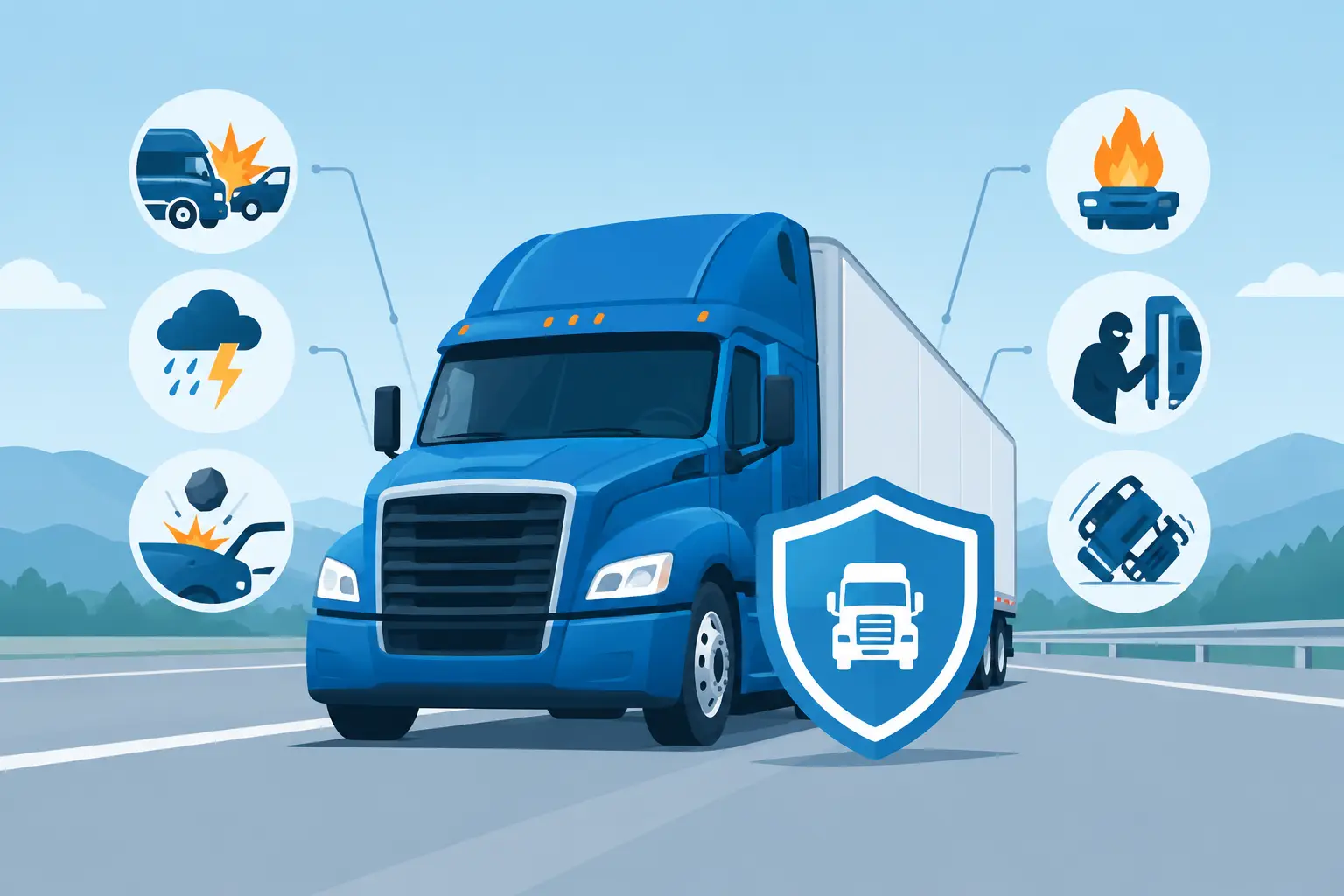
A load can be booked, dispatched, and sitting on your board – then stop cold because a broker or shipper cannot verify your insurance. That is why the question, “when do shippers require COIs,” matters to every carrier, from a one-truck new authority to a multi-unit fleet. A certificate of insurance is often the last compliance item before you receive a rate confirmation, pickup number, facility appointment, or final approval to haul.
A COI is not insurance itself. It is proof that your current policy shows the coverage, limits, and policy dates a customer wants to see. Getting it right protects your relationship, but getting it late can cost you a load.
When Do Shippers Require COIs?
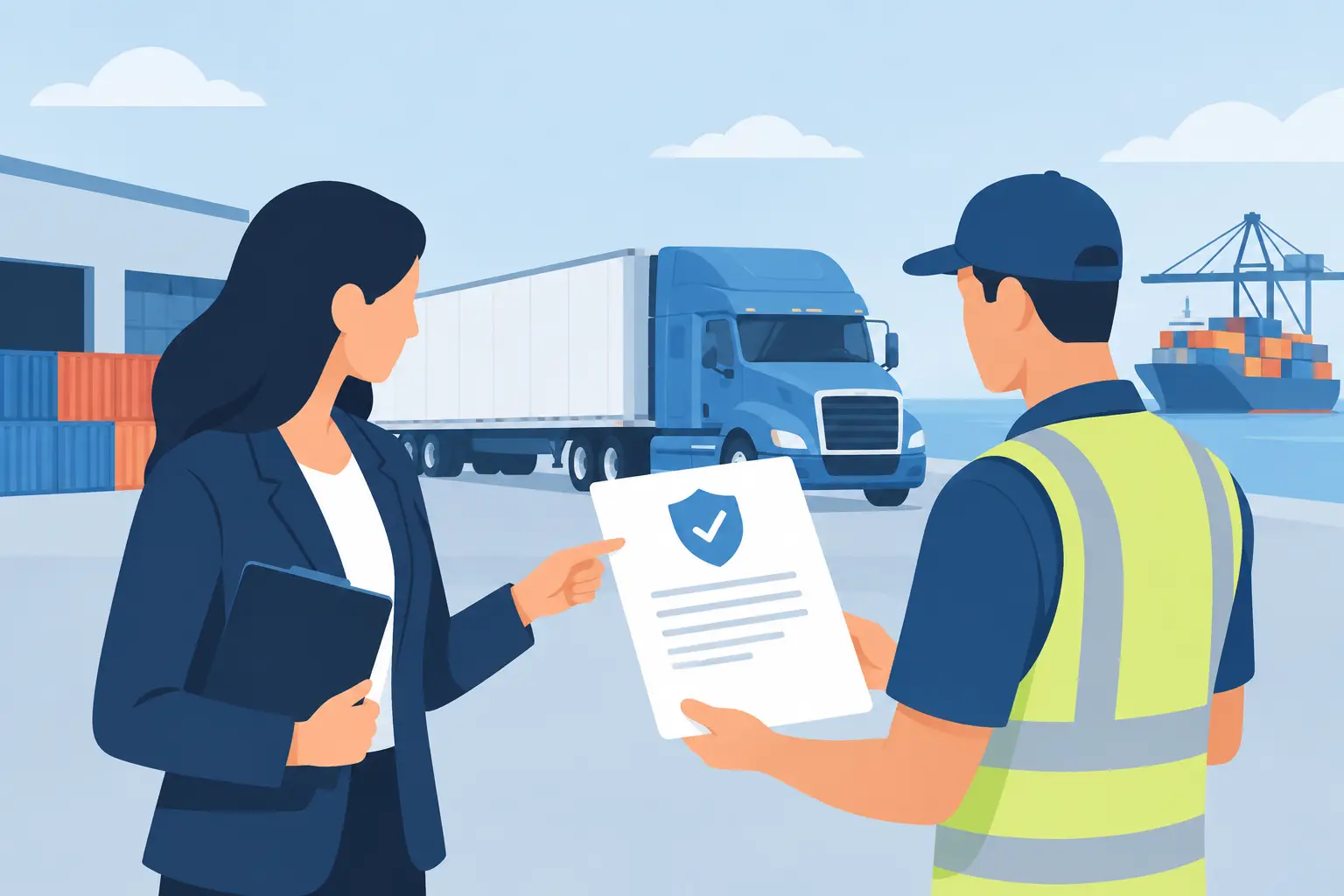
Most shippers require a COI before they approve a carrier to haul their freight. Sometimes the request comes directly from the shipper. More often, a freight broker, third-party logistics company, warehouse, or vendor compliance system asks for it on the shipper’s behalf.
The timing depends on the operation, but COIs commonly come up at several points:
- During carrier onboarding or setup with a broker or direct shipper
- Before a first load is tendered to a new carrier
- When a policy renews, cancels, or changes carriers
- When a shipper awards a dedicated lane or contract freight
- When you add a type of freight with higher cargo exposure
- After an accident, cargo claim, or compliance review
For many routine brokered loads, your insurance information is checked before you can be activated in the broker’s system. If the system shows an expired policy, missing cargo coverage, or limits below the customer requirement, you may not be able to book the load at all.
Direct shippers can be even more particular. A food distributor may want reefer breakdown coverage or higher cargo limits. A construction customer may request specific liability wording before allowing a dump truck or flatbed onto a jobsite. An auto shipper may verify that the cargo limit matches the value of the vehicles being moved. The requirement is not always about distrust. It is about the shipper managing its own financial risk.
What a Shipper Usually Looks for on a COI
A standard certificate gives the customer a quick snapshot of your policy. They generally want to confirm that your legal business name matches the carrier they hired, the policy is active, and the listed limits meet their contract or onboarding rules.
Primary auto liability is usually the first line they review. Many general freight customers expect at least $1 million in auto liability, though requirements vary by commodity, contract, and operation. Cargo insurance is another frequent checkpoint. A $100,000 cargo limit is common in dry van freight, but it may not be enough for high-value electronics, pharmaceuticals, automobiles, refrigerated product, or specialized equipment.
Depending on the work, the certificate may also need to show general liability, umbrella liability, physical damage, workers’ compensation, or pollution-related coverage. A carrier hauling hazardous materials or operating at industrial sites may face requirements that do not apply to a standard dry van load.
The certificate holder section matters too. The broker, shipper, warehouse, or vendor management company may require its exact legal name and address. A simple misspelling can trigger a rejection in an automated compliance system, especially when the customer handles thousands of carriers.
A Certificate Holder Is Not Automatically an Additional Insured
This point causes plenty of confusion. Listing a company as a certificate holder means it receives evidence that your policy exists. It does not automatically give that company rights under your policy.
An additional insured request is different. It asks for an endorsement that extends certain protections to another party, usually for liability claims connected to your operations. Some contracts require it, but it is not something to promise casually. Your insurance carrier must allow the endorsement, and the wording needs to match what the contract actually requires.
You may also see requests for waiver of subrogation, primary and noncontributory wording, or notice of cancellation. These are contract-specific items, not standard lines that can always be added to every trucking policy. If a broker sends over an insurance requirement sheet, have your agent review it before you accept the load or sign the agreement. The cheapest policy is not a bargain if it cannot meet the freight you intend to haul.
Why COI Problems Can Cost More Than One Load
A missing certificate can mean a missed pickup. An inaccurate certificate can create a bigger problem: your customer may believe you carry coverage that your actual policy does not provide. That can lead to a contract dispute after a claim, right when your operation needs clarity the most.
There is also a reputation cost. Dispatchers and brokers remember carriers that need repeated follow-up to send valid paperwork. For a small carrier trying to build repeat business, reliable compliance is part of the service you provide. The truck may arrive on time, but a paperwork delay can still make you look difficult to work with.
Policy cancellations and non-renewals create another risk. Many compliance platforms receive insurance updates electronically. If your renewal documents are not sent promptly, the platform may mark you inactive even when you have replacement coverage in force. Your dispatch team may only discover the issue when a valuable load disappears from the board.
Common COI Requests by Freight Type
There is no single COI requirement for all trucking companies. The right coverage and limits depend on your equipment, routes, contracts, and cargo.
A dry van carrier hauling general consumer goods may regularly see $1 million auto liability and $100,000 cargo requirements. Reefer carriers often face closer scrutiny because spoiled temperature-sensitive freight can create a large cargo claim. Flatbed operators may need to show general liability for jobsite access, while auto haulers need cargo limits that reflect the number and value of vehicles on the trailer.
Power-only carriers should pay particular attention to cargo responsibility. The trailer may belong to the customer, but the contract determines who is responsible for the freight while it is in transit. Tow operators, hot-shot carriers, dump truck businesses, and haulers working around construction sites can encounter requirements beyond what a typical long-haul broker requests.
Never assume that another carrier’s certificate requirement applies to your load. Ask for the written insurance requirement when the freight is unusual, high-value, dedicated, or tied to a formal contract.
How to Keep COIs From Holding Up Your Operation
The best approach is to treat certificates like dispatch paperwork: keep them ready before the truck is needed. Make sure your agent has the exact legal name of your business, current DOT and MC information, vehicle and driver updates, and a clear picture of the freight you haul. Those details affect whether the policy can support the certificate request in the first place.
When a customer asks for a COI, send the full request to your agent rather than paraphrasing it. Include the certificate holder name, address, required limits, any endorsement language, and the deadline. If there is a contract, provide that too. A request that says “add us to the COI” can mean several different things, and guessing wastes time.
It also helps to review your insurance before peak season, a new contract bid, or a major equipment change. If you plan to move from local hot-shot loads into interstate freight, add refrigerated trailers, hire drivers, or take on high-value cargo, do not wait until a broker requests paperwork at 4:30 p.m. Coverage changes may require underwriting approval, not just a revised certificate.
At MC Truck Insurance, we know a certificate request is rarely just paperwork. It is often a truck waiting to move, a driver waiting on dispatch, and revenue that cannot wait for a callback. Keep your policy information current, ask questions before signing freight contracts, and make sure your insurance partner understands the loads you are working to win.