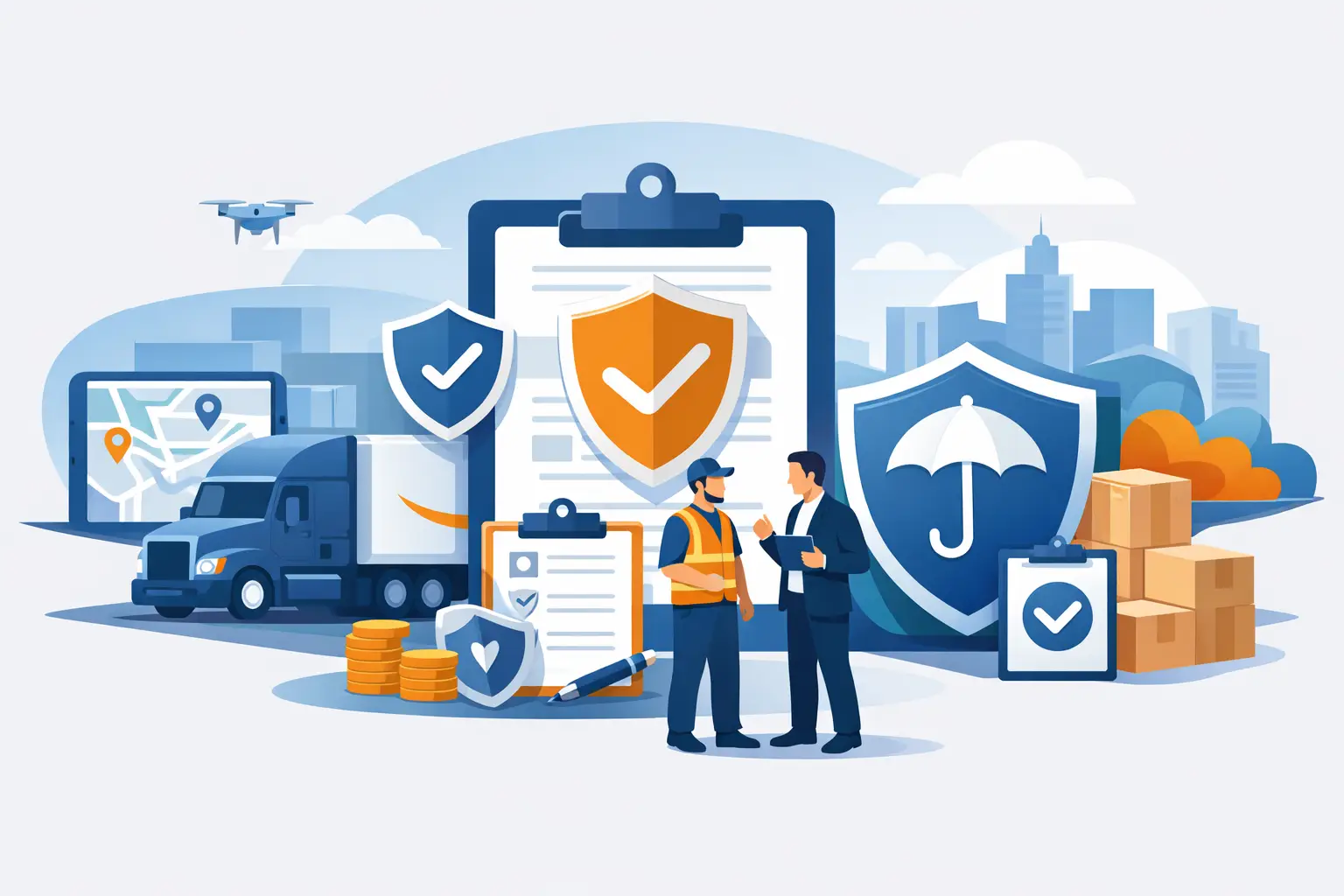
A load can be sitting there ready to book, but a missing endorsement or mismatched certificate can keep your truck off the board. Amazon Relay insurance requirements are not just another onboarding box to check. They are a practical gatekeeper for carriers that want access to Amazon freight and need to keep their authority, equipment, and drivers moving.
For a new MC authority, this is often where the rush to get operating turns into an expensive delay. For an established carrier, the problem is more likely a renewal change, a truck added without reporting it, or a certificate that does not match what Relay expects. The good news is that most problems are preventable when your insurance is built around the freight you plan to haul.
What Amazon Relay Insurance Requirements Usually Include
Amazon Relay generally requires carriers to carry active commercial insurance that meets its current minimum coverage standards. The exact requirements can change by program, equipment type, and the information requested in the Relay portal, so always treat the portal and onboarding instructions as the final word.
For many U.S. carriers, the baseline commonly includes $1 million in commercial auto liability and at least $100,000 in motor truck cargo coverage. General liability is also commonly required at $1 million per occurrence and $2 million aggregate. Depending on your operation and business structure, workers’ compensation or employer’s liability documentation may also be needed.
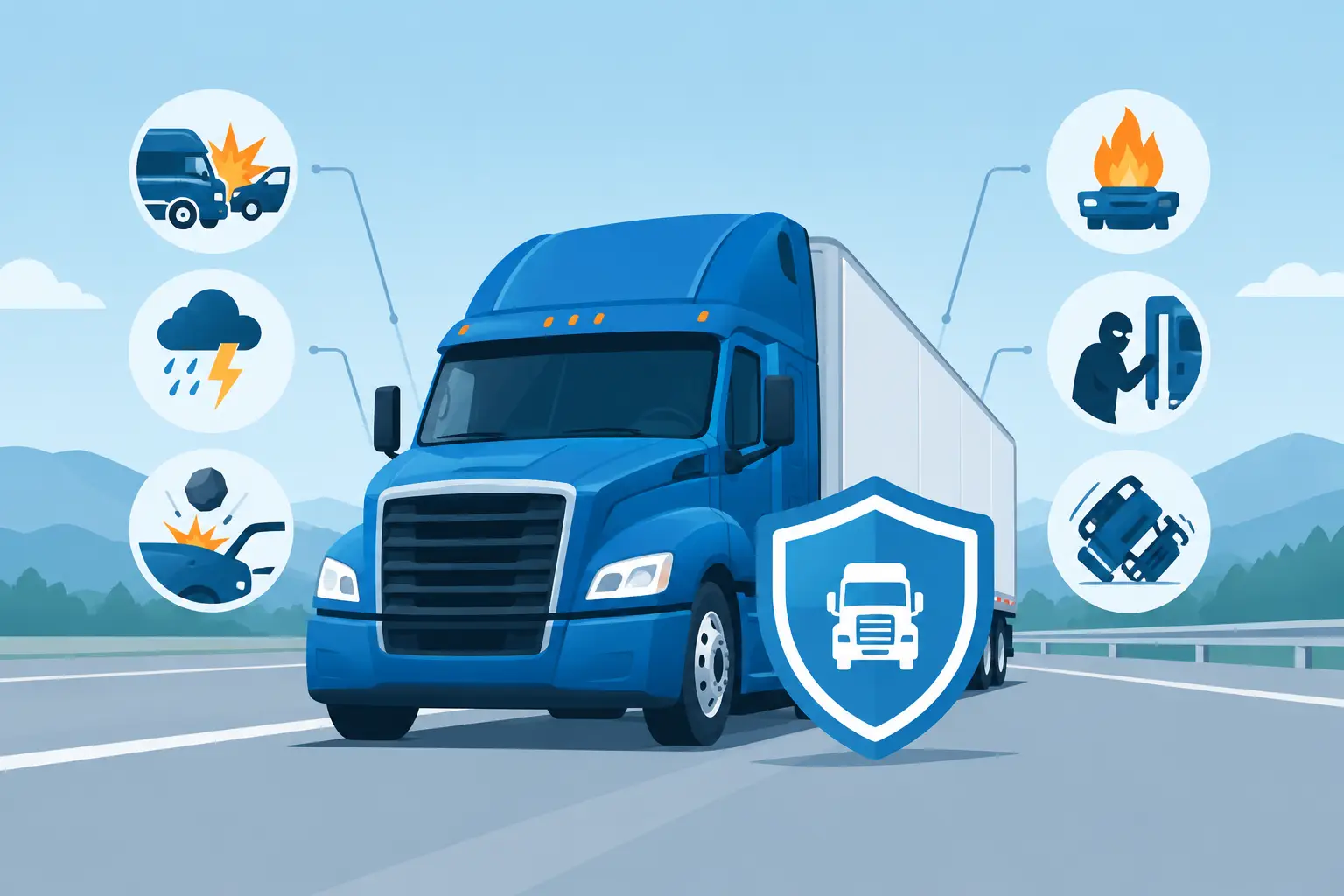
These are not the same thing, and one policy does not replace another. Primary auto liability pays for bodily injury or property damage you cause while operating your truck. If a driver takes a right turn too tight and damages a passenger vehicle, this is the coverage that responds. Cargo coverage protects the freight in your care, custody, and control when a covered loss occurs. General liability addresses separate business-related liability exposures, such as an injury on your premises or an incident not tied directly to the operation of your truck.
The minimum limit is only one part of the picture. Your insurer, policy dates, named insured, vehicle schedule, and endorsements all need to support the certificate being submitted.
Why cargo coverage gets extra attention
A $100,000 cargo limit may meet a stated minimum, but it may not fit every load your company accepts. High-value retail freight, electronics, refrigerated products, and theft-sensitive loads can create a larger exposure than the limit on your certificate suggests.
Cargo policies also have exclusions and conditions. Common trouble spots include unattended vehicle theft, temperature-controlled cargo, employee dishonesty, improper securement, and certain commodity exclusions. A carrier can have a $100,000 cargo policy and still face a denied claim if the freight, loss type, or operating condition is excluded. Before relying on a policy for Relay freight, ask what it actually covers – not only what limit appears on the declarations page.
Your COI Must Match the Operation
A certificate of insurance, or COI, is often the document that determines whether approval moves forward or stops. It needs to accurately reflect the policy and the carrier applying to Amazon Relay. If your legal business name, DOT number, MC number, or address is different across your authority records, insurance policy, and Relay account, expect questions.
The same issue comes up when a carrier changes from an owner-operator setup to a small fleet. A policy written for one power unit may not properly reflect three trucks and several drivers. Adding a truck after the fact is normal. Running it before it is properly reported and covered is where the risk starts.
Amazon may also require specific certificate holder wording, additional insured status, or other certificate instructions. Do not guess at this language or reuse an old broker certificate from another shipper. Provide your insurance agent with the exact request shown in Relay so the certificate can be issued correctly the first time.
A fast COI matters, but an accurate COI matters more. A certificate does not expand your policy. If the underlying coverage is wrong, a clean-looking certificate will not protect your company when a claim happens.
Common Reasons Relay Insurance Approval Gets Delayed
Most insurance-related holds are not caused by a carrier refusing to buy coverage. They happen because the paperwork and the operation are out of sync. The following issues come up again and again:
- Coverage limits fall below the current Relay requirement.
- The policy has expired, been canceled, or is close to cancellation for nonpayment.
- The legal name on the policy does not match the authority or Relay registration.
- Cargo coverage is missing, too low, or written with exclusions that do not fit the freight.
- The submitted COI lacks required wording, an endorsement, or updated certificate holder information.
- A new truck, trailer, driver, or change in operations was never reported to the insurance company.
A delay can cost more than one load. It can affect a new authority’s early cash flow, disrupt a dispatch plan, and leave a driver sitting when they should be earning. That is why insurance should be reviewed before a renewal, expansion, or new freight program – not after the carrier is blocked.
Insurance Requirements Are Not the Same as FMCSA Minimums
Some carriers assume that meeting federal filing requirements means they are automatically ready for Amazon Relay. Those are two different standards.
FMCSA financial responsibility requirements depend on the type of freight and the operation. A broker, shipper, or freight platform can require higher limits or additional coverage beyond the federal minimum. Relay can also ask for documentation and certificate details that do not appear in an FMCSA filing.
Think of it this way: federal requirements allow you to operate legally. Customer requirements determine whether you can haul for that customer. Your trucking insurance program needs to satisfy both without leaving gaps that can hurt you after a loss.
Set Up Your Policy for the Freight You Actually Haul
The cheapest quote is not always the lowest-cost policy. A low premium can become expensive quickly if it leaves out cargo theft, has a restrictive radius, excludes the commodities you haul, or makes certificates difficult to obtain when a customer asks for an update.
When shopping for coverage, be upfront about your operation. Tell the agent whether you are running dry van, reefer, box truck, power-only, hot shot, or another equipment type. Explain your operating radius, where your trucks park, whether trailers are dropped, the experience of your drivers, and whether you plan to haul Amazon-related freight. Those details affect the carrier options, the price, and whether the policy is built to perform when you need it.
For example, a power-only carrier may have different exposure than a carrier hauling its own trailers. A reefer operation needs to consider refrigeration breakdown and temperature claims. A new authority may face a tighter insurance market than a fleet with several years of clean history. There is no one policy that is right for every carrier.
At MC Truck Insurance, we work for you – not the carriers. As a trucking-focused, family-run agency, we can compare options and help make sure your policy, certificates, and operating plan line up before an insurance detail slows down your business.
A Practical Pre-Submission Check
Before submitting insurance to Relay, verify that your primary auto liability, cargo, and general liability policies are active and meet the limits currently shown in your account. Confirm that the named insured matches your authority records exactly. Then review your certificate instructions line by line, including any requested certificate holder or additional insured wording.
Also check the dates. If a policy renews next week, submit the renewed certificate as soon as it is issued rather than waiting for an old document to expire. Keep your agent informed about equipment swaps, new drivers, changes in garaging, and new freight types. Those updates protect more than your Relay approval – they protect your business when the unexpected happens.
Amazon Relay can be a valuable source of freight, but access depends on staying compliant after onboarding, not just getting approved once. Keep your coverage current, your COIs accurate, and your insurance partner involved before a small paperwork issue turns into a parked truck.